
Ningyuan Fastener Ningyuan Fastener

10 Best Micro Screws for Electronics Manufacturing

Time:2026-10-21 Author:Ethan
0%

In electronics manufacturing, small fasteners carry a surprisingly large responsibility. A misplaced thread can damage a plastic boss, distort a circuit board, or loosen under vibration. Micro Screws help secure displays, sensors, camera modules, wearable devices, and compact control assemblies where ordinary fasteners cannot fit.

Choosing the right screw requires more than checking its diameter. Material, thread pitch, head style, drive type, coating, and installation torque all affect production results. Stainless steel offers corrosion resistance, while alloy steel may provide greater strength. Pan heads spread pressure across delicate surfaces, but countersunk heads support flush assembly. Tiny details matter.

They really do.

This guide reviews 10 of the best Micro Screws for electronics manufacturing. Each option is considered through practical factors, including dimensional consistency, driver compatibility, holding strength, surface finish, and availability. These points reflect common requirements in engineering workshops and high-volume assembly environments. However, no fastener suits every product. A screw that performs well in an aluminum enclosure may fail in soft plastic or thin circuit-board supports.

Real testing remains essential. Engineers should confirm fit with sample components, measure seating torque, and inspect threads under magnification. Even experienced teams can overlook burrs, plating thickness, or driver wear. That is worth admitting. Reliable selection depends on supplier documentation, batch quality, and controlled installation—not attractive specifications alone. The following comparison aims to make that decision clearer, more practical, and easier to verify.
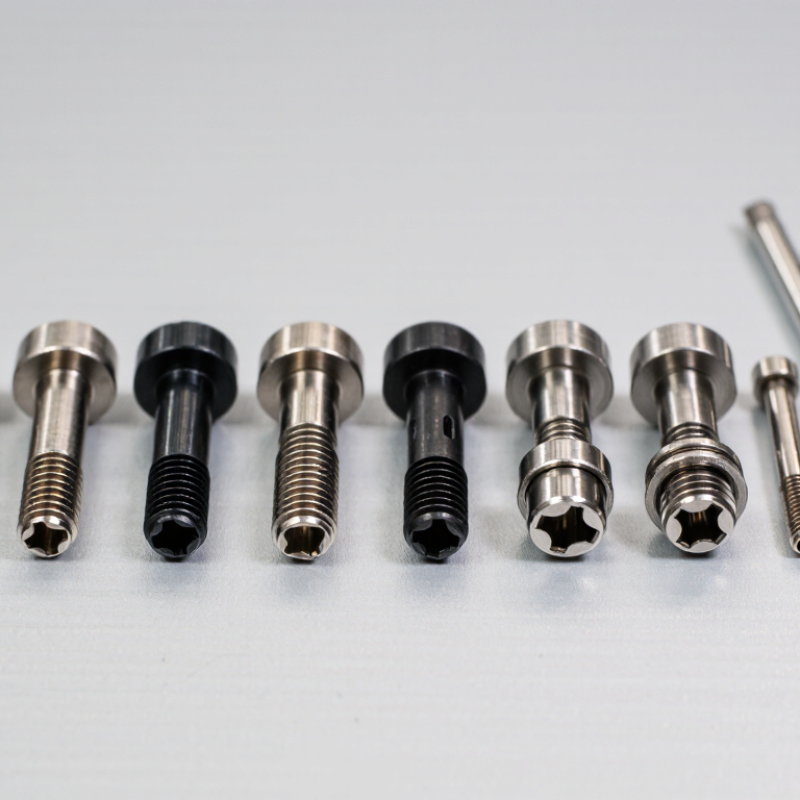
10 Best Micro Screws for Electronics Manufacturing

Micro Screw Basics for Electronics Manufacturing

Micro Screw Basics for Electronics Manufacturing

Micro screws are small, but their specifications control assembly quality. Common diameters range from 0.8 to 2.0 millimeters. Length must suit the housing, board, and available thread depth. A screw that is only 0.5 millimeters too long may damage internal components.

Head style affects clearance and load distribution. Pan heads suit many compact housings, while countersunk heads create a flush surface. Choose a drive recess that matches the assembly tool. Phillips, Torx, and hex drives each behave differently under repeated torque. Stainless steel resists corrosion, while hardened steel usually provides stronger thread engagement. Coatings can improve wear resistance, but they may change electrical contact behavior.

Torque matters more than hand pressure. Use a calibrated driver whenever possible. Excessive torque can crack plastic posts or distort thin circuit boards. Insufficient torque may allow vibration to loosen the joint. In production, check thread fit, head height, surface defects, and plating consistency under magnification. Small errors become expensive quickly.

I once treated screw length as a minor detail. It was not. A trial assembly exposed interference near a shielded component. That mistake changed our inspection checklist. Still, no checklist catches everything. Measure the real assembly, not only the drawing. Test samples at temperature and vibration extremes when the product requires long service life.

Key Materials and Coatings for Reliable Micro Screws

10 Best Micro Screws for Electronics Manufacturing

Key Materials and Coatings for Reliable Micro Screws

Micro screw material directly affects electrical assembly reliability. Austenitic stainless steel offers strong corrosion resistance and stable performance near humid environments. Nickel-plated steel can provide higher hardness, but its coating must remain uniform around threads and recesses. The U.S. Geological Survey’s Mineral Commodity Summaries 2024 reported global nickel mine production of about 3.6 million metric tons in 2023. Nickel remains valuable, yet coating thickness still demands inspection.

Coatings need equal care. Zinc-nickel systems can improve corrosion protection, while passivated stainless steel reduces surface contamination risks. NACE’s IMPACT study estimated global corrosion costs at approximately US$2.5 trillion annually, equal to about 3.4% of global GDP. A tiny rust spot can create torque variation, staining, or contact instability. ASTM B117 salt-spray results help compare finishes, but they do not guarantee field life. Temperature cycling, cleaning chemicals, and galvanic contact may change the outcome. I still see teams over-specify hardness and under-specify cleanliness. That trade-off deserves review.

Tips: Match the screw metal with the housing and circuit hardware. Avoid direct contact between dissimilar metals when moisture is likely. Verify coating thickness, thread fit, torque limits, and magnetic behavior before production. Use ISO 9227 or equivalent corrosion testing for screening. Keep samples from every lot. Micro parts expose process weaknesses quickly.

Ten Micro Screw Types and Their Electronic Applications

10 Best Micro Screws for Electronics Manufacturing

Ten Micro Screw Types and Their Electronic Applications

Micro screws may look interchangeable, but head shape, thread design, and material affect assembly quality. In production work, I match the screw to the enclosure, circuit board support, and available torque. Small errors matter.

Pan-head micro screws suit control panels and compact housings because their rounded heads spread pressure evenly. Flat-head screws sit flush in countersunk covers, while button-head screws offer a smooth profile for handheld devices. Socket-cap screws provide reliable clamping where access is limited. Cheese-head screws work well in shallow internal frames. Truss-head screws help secure thin sheet metal without pulling through. Shoulder screws create controlled spacing for switches, sensors, and moving brackets. Self-tapping screws cut threads in plastics and light metals. Thread-forming screws displace material and often improve holding strength in repeated assemblies. Captive screws remain attached to panels during servicing, reducing lost hardware.

Material choice deserves equal attention. Stainless steel resists corrosion, while alloy steel supports higher clamping loads. Plated finishes can improve wear resistance, but compatibility with aluminum and sensitive contacts requires testing. I normally verify thread engagement, head clearance, and torque with sample assemblies before release.

Do not trust appearance alone. One overlooked burr can tilt a cover or damage a board. Some plastic bosses also crack under surprisingly low torque. That lesson is easy to learn, but expensive to repeat.

How to Compare Size, Thread, Drive, and Strength

10 Best Micro Screws for Electronics Manufacturing

Choosing micro screws for electronics requires more than matching a tiny diameter. Size must fit the housing, bracket, and available material thickness. A screw that is too long may damage internal components. A screw that is too short may loosen under vibration. Measure twice.

Thread selection affects grip, installation speed, and serviceability. Fine threads provide more engagement in thin metal, while coarser threads can perform better in softer plastics. Compare the major diameter, pitch, and usable thread length. Prototype testing often reveals problems that drawings miss. In my experience, a screw can look correct yet strip the mounting post during automated assembly. That result deserves investigation, not an immediate change in torque.

Drive style also matters on a production line. A stable recess improves bit engagement and reduces head damage. Select a drive that suits the tool angle, access space, and expected torque. Strength depends on material, heat treatment, geometry, and coating, not only on a strength label. Check supplier test reports and confirm results with sample assemblies. Use a calibrated driver and record installation torque. Excessive torque can crack a circuit board or deform a small enclosure. Insufficient torque may allow movement during shipping. No choice is universal. Recheck performance after temperature cycling, vibration testing, and repeated service removal.

10 Best Micro Screws for Electronics Manufacturing

Comparison of common metric micro-screw sizes by thread specification and estimated axial tensile capacity. Values are calculated from ISO metric thread geometry using a nominal 700 MPa tensile strength, representative of an A2-70 stainless-steel fastener class.

How to compare micro screws

Smaller diameters support lower axial loads, while fine threads can increase the threaded stress area without increasing the outside diameter. Drive selection should match the available assembly tool and torque limits; socket and star drives generally provide better bit engagement than very small slotted drives.

Configuration Thread Pitch Typical Drive Material Class Estimated Tensile Capacity
M1.0 × 0.250.25 mmSlotted / PhillipsA2-70 stainless steel0.32 kN
M1.2 × 0.250.25 mmPhillips / Hex socketA2-70 stainless steel0.51 kN
M1.4 × 0.300.30 mmPhillips / Hex socketA2-70 stainless steel0.69 kN
M1.4 × 0.200.20 mmHex socket / StarA2-70 stainless steel0.81 kN
M1.6 × 0.350.35 mmPhillips / Hex socketA2-70 stainless steel0.89 kN
M1.6 × 0.200.20 mmHex socket / StarA2-70 stainless steel1.10 kN
M2.0 × 0.400.40 mmPhillips / Hex socketA2-70 stainless steel1.45 kN
M2.0 × 0.250.25 mmHex socket / StarA2-70 stainless steel1.71 kN
M2.5 × 0.450.45 mmPhillips / Hex socketA2-70 stainless steel2.37 kN
M3.0 × 0.500.50 mmHex socket / StarA2-70 stainless steel3.52 kN

Estimated capacity is based on tensile stress area and a nominal 700 MPa material tensile strength. Actual performance depends on head design, engagement length, installation torque, joint material, corrosion, and manufacturing tolerances.

Best Practices for Selecting and Installing Micro Screws

Selecting micro screws for electronics begins with the joint, not the screw tray. Measure the material thickness, hole diameter, and available thread depth. Choose a thread style that fits the housing without stressing thin plastic or delicate metal. Stainless steel resists corrosion, while coated steel may offer better wear resistance. Match the head shape to the counterbore and the driver tip. Keep clearance around nearby components.

In production, controlled torque matters more than hand strength. Use a calibrated electric or manual driver with a narrow bit. Set the torque below the enclosure’s damage threshold, then verify it with sample assemblies. Start the screw by hand for several turns. Stop if it feels gritty. Cross-threading can destroy a small insert quickly. I have seen operators blame poor screws when misalignment caused the failure.

Install screws in a stable fixture under good lighting or magnification. Keep boards free from metal shavings, dust, and loose washers. A soft, clean tray helps prevent parts from disappearing. Inspect the head, thread engagement, and surface after tightening. Record the screw size, torque setting, driver bit, and inspection result. A pilot build may reveal that the chosen length is excessive or barely engaged. That finding deserves a design change, not a rushed workaround. Recheck assemblies after vibration or thermal testing, because tiny fasteners can loosen when the surrounding materials expand differently.

FAQS

Which micro screw head suits compact electronic housings?

Pan-head screws spread pressure across control panels and small enclosures. Their rounded heads reduce local stress. Check clearance carefully.

When should flat-head or button-head screws be used?

Flat-head screws sit flush inside countersunk covers. Button-head screws provide a smooth surface for handheld devices. Appearance alone can mislead.

What are socket-cap and cheese-head screws used for?

Socket-cap screws provide strong clamping where tool access is limited. Cheese-head screws fit shallow internal frames. Measure head clearance before assembly.

Why are truss-head and shoulder screws useful?

Truss-head screws secure thin sheet metal without pulling through. Shoulder screws create fixed spacing for switches, sensors, and moving brackets. Spacing matters.

How do self-tapping and thread-forming screws differ?

Self-tapping screws cut threads in plastics and light metals. Thread-forming screws displace material and can improve holding strength. Test repeated assemblies.

When are captive screws helpful during servicing?

Captive screws stay attached to panels during maintenance. They reduce dropped hardware near circuit boards. A soft tray still helps.

How should material and finish be selected?

Stainless steel resists corrosion. Alloy steel supports higher clamping loads. Coated finishes may improve wear resistance, but compatibility requires testing.

How can installers prevent damage during tightening?

Measure material thickness, hole diameter, and thread depth. Start several turns by hand. Stop if the screw feels gritty. Cross-threading can ruin a small insert quickly.

How should torque and final inspection be controlled?

Use a calibrated driver with a narrow bit. Set torque below the enclosure’s damage threshold. Inspect thread engagement, head seating, and nearby components. I once blamed the screw, but alignment was the real problem.

What should be checked after production or environmental testing?

Recheck assemblies after vibration and temperature testing. Different materials expand at different rates. A screw that felt secure may loosen later. That possibility deserves attention.

Conclusion

Micro Screws are essential components in electronics manufacturing, where compact designs require reliable fastening in limited spaces. This guide introduces the fundamentals of Micro Screws, including their dimensions, thread profiles, drive styles, and mechanical properties. It also explains how material choices and protective coatings influence corrosion resistance, durability, electrical compatibility, and performance in demanding environments. By understanding these factors, manufacturers can select fasteners that support both product reliability and efficient assembly.

The article reviews ten common Micro Screw types and their applications in circuit boards, sensors, mobile devices, precision instruments, and other electronic products. It compares screw size, thread design, drive configuration, and strength to help readers evaluate suitable options for specific projects. In addition, the guide presents practical recommendations for selecting, handling, and installing Micro Screws, including proper tool alignment, controlled tightening, and careful torque management. These best practices help prevent stripped drives, damaged components, loose connections, and unnecessary assembly failures.

Ethan

Ethan

Ethan is a seasoned marketing professional with a deep expertise in our company's innovative product line. With a passion for sharing knowledge and insights, he takes the lead in regularly updating our corporate blog, where he explores industry trends, product features, and effective marketing......