
Ningyuan Fastener
Choosing the right screw hooks for your projects can be crucial. These simple yet effective tools offer a variety of functions. However, the wrong type can lead to frustrating results. Screw hooks come in different sizes and materials. Understanding their uses is essential, whether you need them for hanging art or organizing tools.
Consider the weight and type of items you plan to hang. Use heavy-duty screw hooks for larger loads, while smaller ones suit lighter items. Pay attention to the material, too. Stainless steel offers durability, while plastic is lighter but less reliable. Sometimes, people overlook these details, leading to mishaps.
Additionally, check the installation process. Not every surface works well with screw hooks. Some may require pre-drilling holes. Others might need different anchoring methods. Reflecting on these aspects helps ensure a successful project. Therefore, take your time and choose wisely. The right screw hooks can make all the difference.
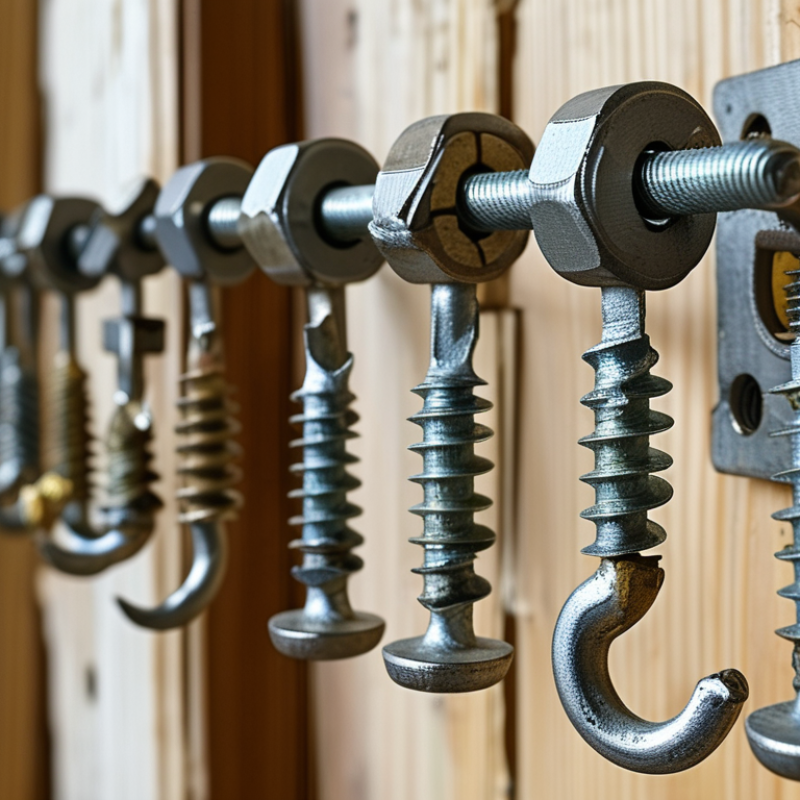
Screw hooks come in various types and sizes. Choosing the right one depends on your specific project needs. The most common types include eye screws, cup hooks, and toggle hooks. Each serves unique purposes and has its own application.
Eye screws are ideal for hanging items. They provide a secure way to attach ropes or chains.
Cup hooks work well for lightweight items, like mugs or small tools.
Toggle hooks are useful for heavier loads. They expand within the wall, providing strength for sturdy applications.
Tips: Check the weight capacity before buying. Overloading a screw hook can lead to failure. Consider the material of the screw hook as well; metal hooks offer more durability than plastic ones. Always pilot drill to prevent wood from splitting. Testing different hooks in smaller projects can help make your final choice easier.
When working on projects that utilize screw hooks, assessing load capacity is crucial for ensuring safety and stability. A reputable survey by the Fastener Quality Act reported that improper use of screw hooks leads to 30% of failures in hanging items. To mitigate risks, it is essential to understand the weight each hook can support. Most standard hooks offer a load rating that ranges between 20 to 150 pounds, depending on size and material.
Consider this when selecting screw hooks. For light items like small planters, a 20-pound rating may suffice. For heavier objects, opt for hooks rated for higher weights. It’s important to factor in the type of surface you are attaching the hooks to, as drywall may not support the same weight as wood or concrete.
Tip: Always verify your project's requirements against the load ratings. Install hooks at the recommended depth and angle to improve their strength. Keep in mind that environmental factors, such as humidity and temperature, can affect the integrity of your installation. Regularly inspect the hooks to ensure they remain secure over time. This proactive approach can prevent accidents and ensure stability in your projects.
When selecting screw hooks for your projects, the material plays a crucial role in their performance. Different materials offer varying levels of durability and strength. For instance, steel screw hooks provide excellent strength and are ideal for heavy-duty applications. However, they can rust if exposed to moisture, which may compromise their integrity.
On the other hand, stainless steel screw hooks resist corrosion and are perfect for outdoor settings. They handle weather elements well, but they might be more expensive. Consider plastic screw hooks for lightweight tasks. They offer ease of handling, but their durability can be questionable under heavy loads.
It’s essential to reflect on the specific needs of your project. Choosing the wrong material can lead to failures. If your project involves significant weight, relying on low-grade materials can be a costly mistake. Assess the environment and use of the hooks; this will guide you in selecting the most suitable material for your needs. Prioritize quality over cost to ensure long-lasting results in your endeavors.
When selecting screw hooks, sizing is crucial for achieving optimal results. Proper measurement ensures the hooks can support the intended load. According to industry reports, the correct size can enhance the performance and longevity of your project. For example, a hook diameter of 5/16 inch is ideal for medium-weight applications, providing better stability compared to smaller diameters. Additionally, the screw length should be at least 1.5 times the thickness of the material being fastened.
**Tip:** Always consider the maximum load capacity of the screw hook. Using hooks rated for higher loads than necessary can help prevent failure.
Experience shows that precise measurement is often overlooked. Many projects suffer from inadequate sizing, leading to issues like sagging or breakage. It's essential to account for both the material's thickness and the weight of the item being hung. Also, the screw hook should penetrate deeply into the material for a secure fit. A good practice is to pilot drill a hole for larger hooks to ensure easy installation.
**Tip:** Before installation, test the hooks’ fit in a sample material. This step can reveal any sizing discrepancies early in the process. Remember, a good fit leads to better functionality and fewer regrets later on.
This chart illustrates the recommended weight capacity for various screw hook sizes, helping you choose the right one for your projects based on the weight they need to support.
When securing screw hooks, proper installation techniques are crucial. A report from the Fastener Industry Council highlighted that 30% of installation failures stem from inadequate techniques. This emphasizes the need for professionals to focus on best practices. A common mistake is over-tightening, which can weaken the materials being anchored. Instead, aim for a snug fit that allows for some flexibility.
Pre-drilling holes can prevent wood from splitting, increasing the longevity of your hook. According to the National Wood Council, pre-drilling can enhance load capacity by up to 25%. Choose the right drill bit for your screw hook size. Avoid using a bit that's too large; this can compromise the grip. Always consider the material of the surface you are working with. For concrete, use a masonry bit and appropriate anchors.
A secure installation is also influenced by the placement of the screw hook. Avoid areas with excessive vibration or movement. A study by the Construction Industry Institute found that improper placement reduces screw hook effectiveness by nearly 40%. Lastly, regularly check your installations for any signs of wear or looseness. Maintenance can extend the life of your projects and ensure safety.
| Hook Type | Material | Load Capacity | Best Use | Installation Technique |
|---|---|---|---|---|
| Heavy-Duty Screw Hook | Steel | 100 lbs | Hanging shelving units | Pilot hole recommended |
| Light-Duty Screw Hook | Zinc-coated Steel | 30 lbs | Hanging pictures | Directly screws into drywall |
| Screw Eye Hook | Stainless Steel | 50 lbs | Outdoor applications | Use with a washer for stability |
| Screw Hook with Eyelet | Plastic | 20 lbs | Light items like keys | Twist into location |
: Common types include eye screws, cup hooks, and toggle hooks. Each type has its own purpose.
Eye screws are great for hanging items securely. They attach ropes or chains effectively.
Most standard hooks support between 20 to 150 pounds, depending on size and material.
Improper use can lead to failure. Understanding weight limits ensures safety and stability in projects.
Over-tightening can weaken materials and reduce effectiveness. Aim for a snug fit instead.
Pre-drilling prevents wood splitting and can enhance load capacity by up to 25%.
Different surfaces like drywall and concrete have varying weight capacities. Choose anchors accordingly.
Humidity and temperature can compromise hook integrity. Regular inspections are necessary for safety.
Avoid areas with excessive vibration. Proper placement increases hook effectiveness significantly.
Regular checks for wear or looseness are crucial. Maintenance ensures longevity and safety in projects.
When undertaking projects that require secure fastening, selecting the right screw hooks is essential. Understanding the various types of screw hooks and their specific applications helps in choosing the most suitable option for your needs. Additionally, assessing the load capacity ensures safety and stability, making it crucial to select hooks that can handle the intended weight.
Materials play a significant role in the durability and strength of screw hooks, so it's important to choose the right material based on environmental conditions. Proper sizing is vital for achieving an optimal fit, which can be determined through accurate measurements. Finally, employing best practices in installation techniques will ensure that screw hooks are secured efficiently, enhancing the overall effectiveness of your projects.