
Ningyuan Fastener Ningyuan Fastener

What is an I-Beam Clip and How is it Used in Construction?

Time:2026-06-13 Author:Oliver
0%

In the realm of construction, the I-Beam Clip plays a crucial role. This essential component is designed to connect various structural elements reliably. It ensures stability and safety in a wide range of projects.

Construction professionals often use I-Beam Clips for their efficiency and durability. These clips secure beams in place, preventing unwanted movement. Their design allows for quick installation, streamlining the building process. However, users must ensure proper alignment during installation for optimal strength. Neglecting this can lead to potential issues.

Understanding the application of an I-Beam Clip is vital for any contractor. Mastering its usage enhances project integrity. While many know of its importance, not everyone uses it correctly. Reflecting on past experiences reveals common pitfalls. This underscores the need for continuous learning in construction practices.
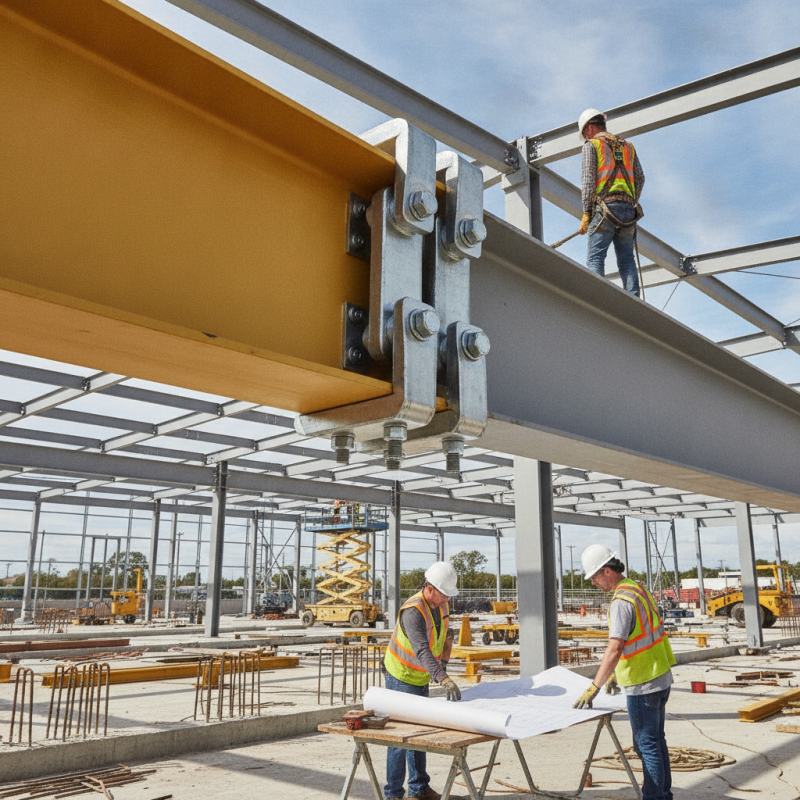
What is an I-Beam Clip and How is it Used in Construction?

What is an I-Beam Clip and Its Role in Structural Support?

I-beam clips are essential components in construction. They serve to connect various structural elements securely. By providing support, they enhance the overall stability of buildings and other structures. The clips fasten to the flanges of I-beams, creating strong, reliable connections. This is vital in maintaining load-bearing integrity.

Using I-beam clips effectively requires attention to detail. Proper installation ensures that the clips align perfectly with the beams. Misalignment can lead to structural weaknesses. Always verify measurements before cutting or placing clips. Structural engineers often stress the importance of precision in these connections. A small mistake can result in significant issues down the line.

Tips for using I-beam clips:

  • Use quality materials for maximum strength.
  • Regularly inspect installed clips for wear or damage.
  • Consult with a structural engineer for complex projects.

Keep in mind the potential for human error. Even experienced workers can overlook details. Continuous training and communication among team members can reduce mistakes. Emphasizing the role of teamwork in construction can prevent costly errors and ensure safe, durable structures for the future.

Key Materials and Design Specifications for I-Beam Clips in Construction

I-beam clips are essential components in construction that facilitate the secure connection of steel beams. These clips are typically crafted from high-strength materials such as stainless steel or carbon steel, ensuring durability and stability. The design specifications focus on load-bearing capacity, resistance to environmental factors, and compatibility with various beam sizes. Effective clips must accommodate significant forces while maintaining structural integrity.

Choosing the right material is crucial. Stainless steel clips resist corrosion, making them ideal for outdoor applications. Carbon steel is often more affordable and suitable for dry, indoor environments. When designing I-beam clips, engineers must consider specific load requirements. The dimensions of the clip must align closely with the I-beam’s profile for optimal performance.

However, issues may arise if clips are not properly designed or installed. Improper measurements can lead to structural failures. Regular inspections are needed to ensure performance over time. Understanding these challenges allows construction professionals to select and implement I-beam clips efficiently, contributing to the overall safety and reliability of the structure.

Common Applications of I-Beam Clips in Modern Building Projects

I-beam clips are essential components in modern construction. Their main function is to connect various structural elements securely. These clips engage with I-beams, often used for their strength and durability. This connection helps in distributing loads effectively, ensuring stability. Builders depend on these clips in high-rise buildings and large industrial projects.

One common application of I-beam clips is in the framework of commercial buildings. The clips allow for quick assembly of steel frames. They can simplify the installation process. Workers find that using these clips saves time on the job site. Moreover, they create a robust structure that can withstand environmental stresses, such as wind and earthquakes.

In residential construction, I-beam clips support ceiling joists and other load-bearing components. This helps in maintaining the integrity of the home. However, incorrect installation can lead to problems. It's crucial for workers to receive proper training. Misalignment can jeopardize the structure's safety. Working with I-beam clips requires precision and a keen eye.

What is an I-Beam Clip and How is it Used in Construction? - Common Applications of I-Beam Clips in Modern Building Projects

Application Area Purpose Material Used Load Capacity Installation Method
Commercial Buildings Support for structural beams Steel Up to 5,000 lbs Bolt-on
Industrial Facilities Securing machinery to structure Galvanized steel Up to 10,000 lbs Welded or bolted
Residential Structures Connecting roof beams Aluminum Up to 3,000 lbs Screw fastened
Bridges Reinforcement of girders Steel Over 15,000 lbs Bolted construction
Warehouses Racking systems Mild steel Up to 8,000 lbs Clamp-on

Industry Standards and Safety Guidelines for Using I-Beam Clips

I-Beam clips play a crucial role in modern construction. They serve as connections between structural members, ensuring stability and strength. However, using I-beam clips correctly requires adherence to industry standards and safety guidelines. The American Institute of Steel Construction (AISC) provides guidelines that outline best practices for using these clips.

Recent studies indicate that improper installation can lead to structural failures. For instance, a report by the National Institute of Standards and Technology (NIST) highlighted that over 30% of structural failures were linked to inadequate connections. Workers must follow the manufacturer's specifications and local building codes when installing I-beam clips. Clarity in project plans can prevent costly mistakes.

Despite meticulous planning, challenges can arise. Installation environments may not always be ideal. Factors like weather, material defects, and worker fatigue can influence the outcome. Continuous training and safety protocols are essential to mitigate risks. Adopting a culture of safety minimizes accidents and enhances project outcomes.

Future Trends in I-Beam Clip Technology and Construction Practices

The realm of construction continues to evolve, particularly with advancements in I-beam clip technology. Reports indicate that the global construction sector is expected to grow by 4.3% annually, a significant push towards efficiency and safety. I-beam clips play a crucial role by providing secure connections between beams and structure. Automation in clip manufacturing is gaining traction. Robotics can enhance precision, reducing human error and increasing production speed.

Future trends indicate that smart construction practices will integrate I-beam clips with IoT technologies. This allows for real-time monitoring of structural integrity. According to a recent study, up to 70% of construction firms plan to incorporate smart technologies by 2025. Yet, challenges remain. The cost of implementing new technologies can be high, causing hesitation among some companies.

Tips: Evaluate the lifecycle costs of using advanced I-beam clips. Make informed decisions based on long-term benefits. Maintenance is crucial; inspect regularly to ensure optimal performance. Embracing innovation is vital, but don't overlook traditional methods that have proven effective.

I-Beam Clip Usage in Construction

FAQS

: What are I-beam clips used for?

: I-beam clips connect structural elements in construction, enhancing building stability.

How should I-beam clips be installed?

Ensure proper alignment and exact measurements. Misalignment can lead to structural weaknesses.

What materials are I-beam clips made from?

Clips are often crafted from stainless steel or carbon steel for durability and strength.

Why is material choice important for I-beam clips?

Stainless steel resists corrosion, while carbon steel is more affordable for dry environments.

What industry standards apply to I-beam clips?

The American Institute of Steel Construction provides guidelines for proper use and installation.

How can I verify the performance of installed clips?

Regular inspections help detect wear or damage, ensuring clips maintain structural integrity.

What common issues can arise when using I-beam clips?

Improper design or installation can lead to failures. Even small errors can cause significant issues.

How can training impact the use of I-beam clips?

Continuous training helps reduce human error. It fosters teamwork and improves overall safety.

What should be followed to avoid installation mistakes?

Adhere to project plans and local codes. Clarity is vital to prevent costly errors.

What environmental factors can affect installation?

Weather, material defects, and worker fatigue can all influence the outcome of installations.

Conclusion

An I-Beam Clip is a crucial component in construction, serving an essential role in structural support. These clips are designed to securely attach I-beams to other structural elements, ensuring stability and strength in various building frameworks. Made from robust materials and adhering to specific design specifications, I-Beam Clips are integral to the integrity of modern construction projects.

In addition to their structural applications, I-Beam Clips must comply with industry standards and safety guidelines to guarantee their effectiveness and safety in use. As the construction industry evolves, future trends may introduce advancements in I-Beam Clip technology, enhancing their performance and application in increasingly complex building designs.

Oliver

Oliver

Oliver is a seasoned marketing professional with a wealth of expertise in driving brand awareness and engagement. With a deep understanding of our company's product offerings, he consistently delivers high-quality content that enriches our professional blog. His insights not only shed light on......