
Ningyuan Fastener
In the world of DIY and construction, ensuring a perfect fit is essential. When you want to screw tight securely, it requires more than just effort. Skill, technique, and the right tools are paramount. Each project varies, bringing its own unique challenges.
Many individuals have faced difficulties in achieving that ideal tightness. Over-tightening can lead to damage, while insufficient pressure can result in loose fittings. Hence, understanding how to screw tight without errors is crucial. There's a delicate balance that one must learn. Each tip shared here aims to enhance your confidence and capability.
Practicing the techniques will help you gain experience. You might fumble initially, but improvements will become evident. Mistakes often lead to learning something new, pushing you to rethink your approach. It's a journey that requires patience and precision to perfect your craftsmanship. Securely screwing tight will ultimately elevate your projects.
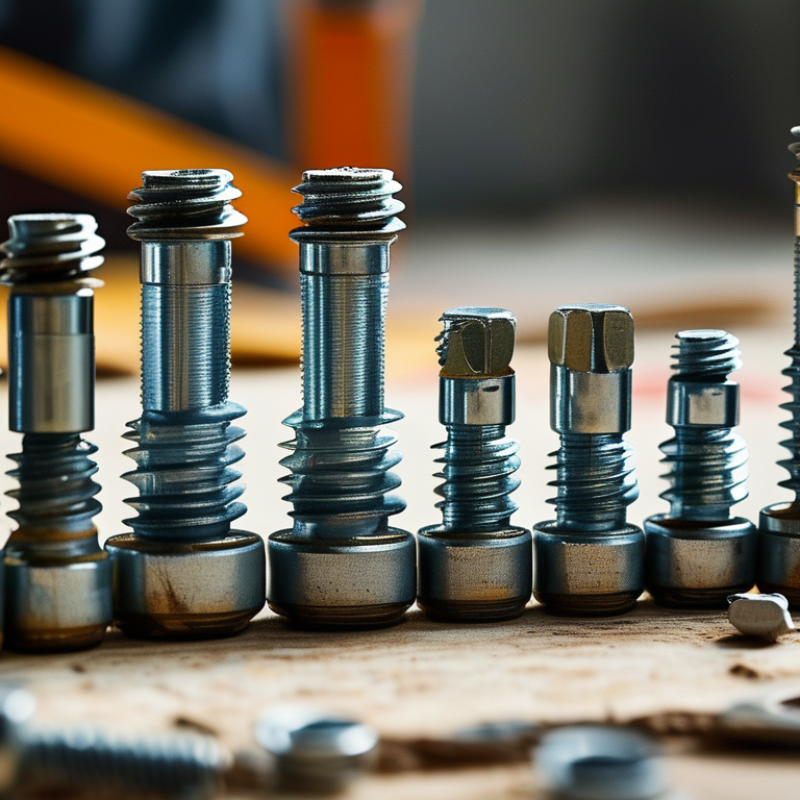
When selecting screws for a project, understanding their types and applications is vital.
Wood screws, for instance, are designed with sharp threads for easy penetration into wood. According to a report by the Fastener Quality Act, using the wrong type can lead to structural failure in carpentry. This highlights the importance of choosing the right screw type.
Metal screws differ significantly from wood screws. They typically feature finer threads and often require pre-drilled holes. Industry studies suggest that failure rates for improperly paired screws and materials can reach 30%. This emphasizes the need for careful consideration.
In construction, it's not uncommon to see mistakes due to oversight. Sometimes, the quality of the screw used doesn’t match the material strength, leading to unexpected results. It's crucial to review specifications and match screws to their intended materials. Addressing these details can prevent costly errors down the line.
When it comes to achieving a perfect screw fit, selecting the right tools is essential. Using a tool that fits well prevents slipping and stripping. A torque screwdriver can provide precise tension control. For larger projects, consider an electric drill with adjustable settings. Knowing the power and type of your tools can enhance efficiency and accuracy.
It's important to remember that tools vary in quality. Not every tool will deliver the same level of performance. You might find that a cheaper option does not fit as securely as expected. Over time, cheap tools can lead to frustration and wasted efforts. It's a red flag when a tool feels flimsy or breaks during use.
In addition to the right tools, technique matters. Ensure you’re applying even pressure while screwing. Be mindful of the angle; it affects the outcome significantly. You may notice that taking time to align correctly leads to better results. Sometimes, it’s worth re-evaluating your approach. A small adjustment in technique can make a big difference in securing those screws tightly.
Achieving a secure and tight fit when screwing screws is essential for durability. Proper techniques can make a significant difference. Choosing the right screwdriver is crucial. A well-fitted tool prevents stripping and allows for better control when applying pressure.
You might think applying maximum force is the best approach. However, excessive force can lead to damaged materials. It's vital to find a balance. Start by tightening screws gently. Gradually increase pressure until you achieve the desired firmness. This method helps avoid over-tightening, which can cause complications.
Checking the alignment before securing is also important. Misaligned screws can lead to gaps and instability. A visual inspection can save time and effort later. If a screw feels loose after fastening, don't hesitate to backtrack. Retrace your steps, adjust, and re-secure. This extra care can enhance the overall quality of your work.
When screwing tight, many people make common mistakes that affect the overall fit. One frequent error is applying excessive force. Over-tightening can strip threads or break materials. It feels like you’re securing a strong hold, but it's counterproductive. Aim for a firm grip without pushing too hard. This requires a balance that is often overlooked.
Another mistake is neglecting the correct tools. Using the wrong screwdriver can lead to slips and damage. It’s crucial to match the tool to the screw type. This ensures a better connection. Proper alignment is also essential. Misalignment can cause stress on the screw and surrounding components. Pay attention to how the screw enters. A slight angle can ruin the integrity of the fit.
Lastly, many forget to check for debris in the screw hole. Dust and dirt can prevent the screw from seating properly. Clean the area before tightening. Small details matter, and overlooking them can lead to frustration. It's all about patience and precision. Sometimes, taking a step back can provide clarity. Reflecting on your technique can lead to improvements.
| Tip | Common Mistake | Avoidance Strategy |
|---|---|---|
| Choose the Right Screw Type | Using the wrong screw for the material | Check material compatibility |
| Pre-Drill Holes | Not pre-drilling in hard materials | Always pre-drill where necessary |
| Use a Screwdriver with the Right Fit | Using a mismatched screwdriver can strip screws | Select the proper screwdriver size |
| Check Torque Settings | Over-tightening can lead to breakage | Adjust torque on power tools |
| Align Materials Properly | Misaligned pieces can cause stress | Ensure proper alignment before screwing |
| Use the Right Length of Screw | Too short a screw may not hold | Measure material thickness |
| Keep Screws Clean | Dirt can weaken the grip | Wipe screws before use |
| Apply Appropriate Lubrication | Skipping lubrication can cause difficulty | Use lubricant wisely |
| Follow Proper Technique | Improper angle can lead to stripping | Maintain perpendicular angle |
| Inspect Before Finalizing | Ignoring final checks | Double-check tightness after installation |
Maintaining screw integrity is crucial for ensuring the longevity and safety of any project. Regular inspections can help identify wear or corrosion early. Checking screws for rust or damage can prevent costly repairs later. Always clean the area before fastening to avoid debris compromising the connection.
Using the correct torque is essential. Too tight, and you risk stripping the screw. Too loose, and it weakens the hold. A digital torque wrench can help achieve the right fit. Even materials matter; different screws perform poorly with dissimilar materials. Discoloration may indicate an improper fit.
Consider the environment, too. Harsh weather can accelerate deterioration. In humid areas, stainless steel screws are often better. Always store screws in a dry place. Reflect on your choices after the project; did the screws perform well? Learning from mistakes leads to a more successful future project.
: A well-fitted screwdriver prevents stripping and offers better control during tightening.
Excessive force can damage materials or strip threads. It’s counterproductive.
Start gently. Gradually increase pressure until you’re satisfied with the firmness.
Ensure proper alignment. Misaligned screws can cause gaps and instability.
Backtrack, adjust, and re-secure the screw to enhance quality.
Neglecting to clean debris from screw holes can hinder proper seating.
Pay close attention to the angle of entry. A slight misalignment can ruin the fit.
Rushing can lead to mistakes. Taking time ensures precision and a better finish.
Common mistakes like over-tightening and using the wrong tools impact fit quality.
It allows you to identify issues and make necessary improvements in your approach.
In the article "Top 10 Tips to Securely Screw Tight for Perfect Fit," we delve into essential knowledge for achieving optimal screw tightness in various applications. Understanding the different types of screws and their specific uses establishes a solid foundation for selecting the right tools necessary for effective screwing techniques. Mastering proper techniques not only ensures a secure and tight fit but also enhances the longevity of your projects.
Additionally, the article addresses common mistakes to avoid during the screwing process, which can lead to compromised integrity. To maintain long-lasting screw integrity, regular maintenance tips are provided, emphasizing the importance of using the right methods and tools to screw tight. By following these guidelines, you can enhance the durability and effectiveness of your fastening solutions.