 Ningyuan Fastener
Ningyuan Fastener
Ningyuan Fastener
The demand for Toothed Nuts is on the rise globally, with the market projected to grow at a compound annual growth rate (CAGR) of 4.5% through 2026. This growth is fueled by diverse industries, including automotive, electronics, and construction. China, as a leading manufacturer, plays a pivotal role in meeting this demand. With over 1,000 manufacturers across the country, the competition is intense.
Identifying the top 10 Toothed Nut manufacturers in China is essential for global buyers seeking quality and reliability. Many manufacturers offer state-of-the-art production capabilities and adhere to international standards, ensuring product integrity. Notable figures indicate that more than 60% of Toothed Nuts exported come from a handful of top companies.
While these manufacturers boast impressive credentials, challenges exist. Quality control and consistency can vary, necessitating careful selection processes. Global buyers must navigate these complexities to find trusted partners. In this ever-evolving landscape, understanding the key players in China's Toothed Nut sector is crucial for strategic sourcing and sustainable growth.
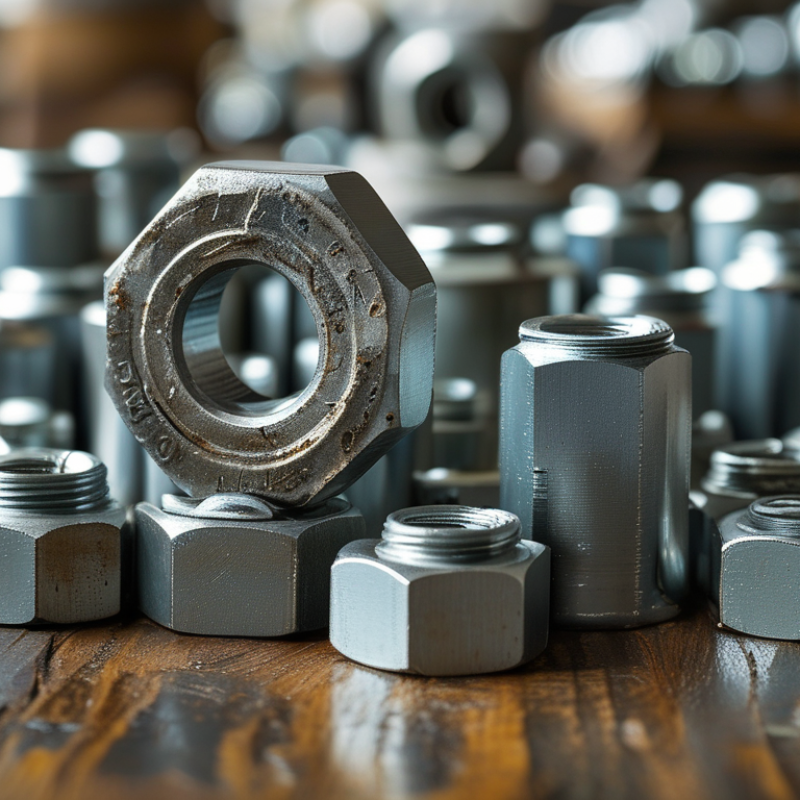
The toothed nut manufacturing industry in China plays a crucial role in global supply chains. This sector focuses on advanced metalworking techniques and innovative designs. Skilled artisans and engineers craft these components with precision. Their expertise ensures products meet international quality standards.
China's landscape for toothed nuts is diverse, with varying levels of technological advancement. Some manufacturers utilize modern machinery, while others rely on traditional methods. This mix can create inconsistencies in product quality. Buyers should be cautious and conduct thorough research before partnering with a manufacturer.
Quality control is an ongoing challenge. Many manufacturers strive to improve their processes, but issues can still arise. Regular audits and supplier assessments are essential in ensuring reliable partnerships. Understanding the local market dynamics can greatly aid buyers in making informed decisions. Engaging with experienced professionals can help navigate this complex industry.
| Rank | Manufacturer Location | Annual Production (Tons) | Export Ratio (%) | Main Materials Used | ISO Certification |
|---|---|---|---|---|---|
| 1 | East China | 1500 | 70 | Stainless Steel | ISO 9001 |
| 2 | South China | 1200 | 60 | Alloy Steel | ISO 14001 |
| 3 | Northern China | 1800 | 80 | Carbon Steel | ISO 45001 |
| 4 | Central China | 900 | 50 | Brass | ISO 9001 |
| 5 | Southwest China | 1100 | 65 | Titanium | ISO 14001 |
| 6 | Yanbian | 1300 | 75 | Aluminum | ISO 45001 |
| 7 | Northeast China | 1000 | 55 | Zinc | ISO 9001 |
| 8 | Western China | 800 | 40 | Nickel | ISO 14001 |
| 9 | South Central China | 950 | 62 | Bronze | ISO 45001 |
| 10 | Northwest China | 700 | 30 | Plastic | ISO 9001 |
: High demand from the automotive and construction sectors significantly boosts production levels.
Many manufacturers are investing in automation, improving efficiency and product quality. Yet, some still rely on outdated methods.
Adopting eco-friendly practices is challenging for many, especially those accustomed to traditional processes.
Product quality differs widely. Some prioritize low costs, leading to inconsistencies.
Around 25% fail to achieve these standards, highlighting quality control issues.
Conducting thorough checks helps buyers ensure they select manufacturers committed to quality.
Growth is expected, driven by industrial demand and innovations in manufacturing processes.
Many struggle to adapt to new technologies, unlike larger competitors who lead the way.
Proper material selection correlates directly with improved durability and lifespan of products.
Yes, sourcing high-quality sustainable materials remains complex and poses challenges for many companies.
The article provides a comprehensive overview of the toothed nut manufacturing industry in China, highlighting the sector's significant growth and development. Key factors driving this growth include technological advancements, increasing demand in various applications, and competitive pricing strategies. A detailed list of the top 10 toothed nut manufacturers is presented, offering insights into their production capacities and market positions.
Additionally, the article features a comparative analysis of product quality among leading manufacturers, assessing standards and customer satisfaction. Furthermore, it discusses future trends and innovations within China's toothed nut market, indicating a shift towards more sustainable practices and advanced manufacturing processes. Overall, the report serves as an essential guide for global buyers seeking reliable toothed nut suppliers in China.
