 Ningyuan Fastener
Ningyuan Fastener
Ningyuan Fastener
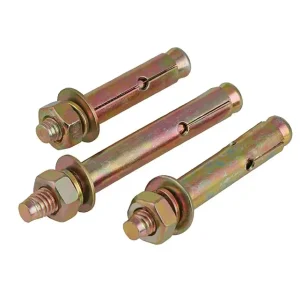
High-performance anchoring, industrial fasteners, and micro-hinge alignment hardware developed with international tolerances.
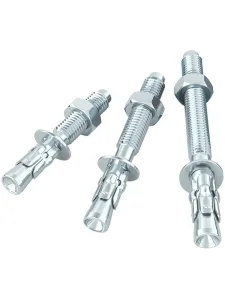
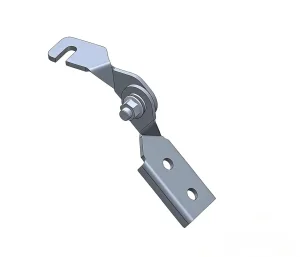
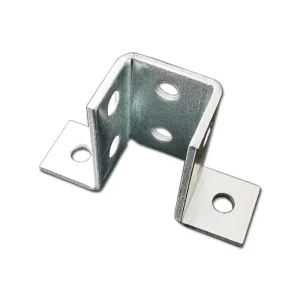
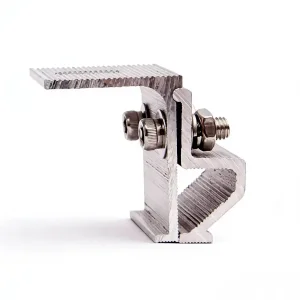
In the global optical and eyewear industry, the micro-screws holding together the frame, hinges, and lenses are small but critical elements. While a typical pair of premium sunglasses or optical frames is judged by the quality of its lenses, acetate frames, or composite titanium temples, the integrity of the entire structure relies on high-precision fasteners. Micro-screws designed for eyewear—typically ranging between M1.0 and M1.6 in nominal diameter—must withstand dynamic opening and closing forces thousands of times over their lifecycle while remaining resistant to corrosive factors like skin oils, sweat, salt spray, and extreme temperature fluctuations.
Currently, the demand for sunglasses screws is driven by the growth of both premium prescription eyewear and high-velocity fast-fashion sunglasses markets. In specialized sectors, such as impact-resistant sports eyewear, active tactical goggles, and high-end smart glasses, fasteners must meet advanced specifications. These include high tensile strength, precise thread geometries, and integrated self-locking patches (such as nylon coating or anaerobic threadlockers) to prevent backing out under vibrational stresses. As a results-driven designer and procurement partner, sourcing from manufacturers with high technological and metallurgical capabilities is crucial to ensuring zero product failures in market environments.
Handan Ningyuan Fastener Manufacturing Co., Ltd. (formerly Jin Langtao), founded in 2005, operates in Yongnian, Handan, China’s fastener manufacturing hub. Over 18 years of growth, we have expanded our capacity from photovoltaic brackets and heavy-duty building systems to high-precision micro-fasteners and components.
By integrating technical expertise with automatic high-speed cold heading and thread-rolling machinery, we address complex requirements for high-performance optical projects, electronic systems, and industrial sectors globally.
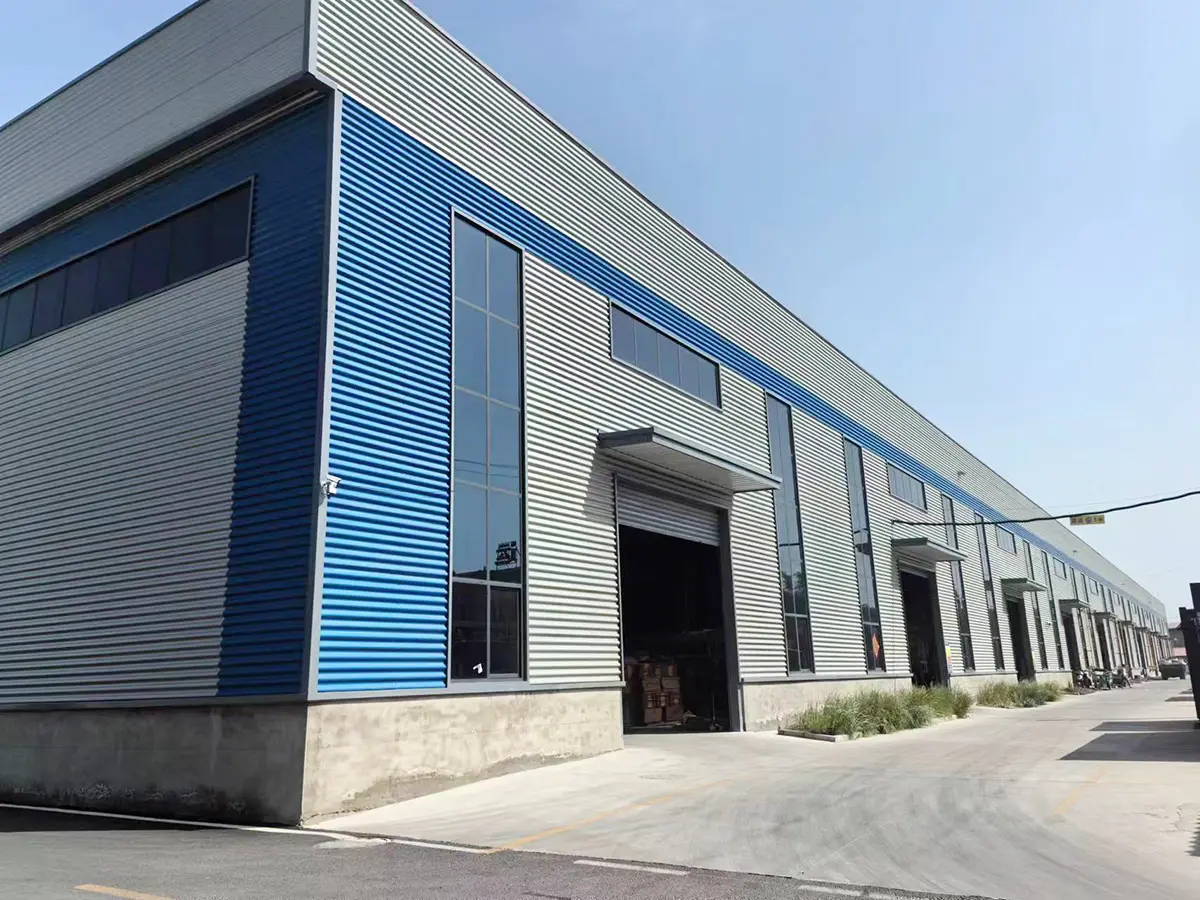
China produces a significant portion of the world's eyewear, frames, and assembly accessories. The country's supply chain integration offers cost efficiency, metallurgical expertise, and high production speeds. Regional clusters, such as Wenzhou, Shenzhen, and Yongnian, house specialized ecosystems that cover raw wire drawing, cold-heading tool manufacturing, automated surface treatment, and optical sorting. This localization allows Chinese factories to achieve tolerances within +/- 0.01 mm while managing fluctuating demand scales.
A key factor in this performance is the use of high-velocity cold-heading machines capable of producing up to 300 miniature screw blanks per minute. Precision thread rolling ensures the structural integrity of micro-threads, avoiding the structural weaknesses associated with cut threads. Advanced heat treatments and electroplating (such as nickel, black zinc, chrome, and gold plating) provide corrosion protection while keeping the fasteners lead-free and biocompatible to prevent skin irritation.
| Screw Type / Thread Size | Common Material Grade | Standard Head Style | Anti-Corrosion Surface Finish | Primary Eyewear Application |
|---|---|---|---|---|
| M1.0 / M1.2 Micro Screws | Stainless Steel 302 / 316L | Flat, Pan, Oval Slot / Phillips | Nickel Plating, Passivation | Rimlock Assemblies, Thin Metal Frames |
| M1.4 / M1.6 Hinge Screws | Nickel Silver / Beta-Titanium | Countersunk, Fillister Head | PVD Coating, Gold / Black Zinc | Spring Hinge Assemblies, Heavy Acetate Frames |
| Self-Tapping Eyewear Screws | Case-Hardened Carbon Steel | Pan Head Star / Torx | Zinc Plating (RoHS Compliant) | Plastic Injection Molded Sunglasses |
| Nylok-Coated Locking Screws | Stainless Steel 304 | Wafer Head, Custom Shoulder | Nylon Patch Coating Blue/Red | High-Vibration Sports Goggles, Smart Eyewear |
Depending on the design and material of the sunglasses frame, micro-fasteners face different mechanical stresses:
We implement quality management protocols across our manufacturing lines to ensure product reliability and traceability. Our processes are designed to meet standard specifications and prevent defects from reaching final assemblies.
By utilizing optical sorting machines, we filter out deviations in head diameter, thread pitch, and length, maintaining low defect rates for automated eyewear assembly lines.
Exploring technological advancements in automated assembly, materials engineering, and the growth of wearable tech.
With regulations tightening on allergen release, manufacturers are adopting lead-free brass, high-purity beta-titanium, and surgical-grade stainless steels to prevent skin contact reactions.
Modern assembly lines use automated feeders. Screws must feature precise geometries and head shapes (such as Torx or deep Phillips drives) to allow pick-and-place arms to operate without jamming.
As smart glasses incorporate sensors, batteries, and transmitters, micro-screws serve dual purposes: maintaining structural integrity and grounding or shielding sensitive electronic components.
For procurement managers and hardware engineers, sourcing sunglasses screws requires evaluating supplier capabilities beyond price per unit. The cost of production shutdowns due to defective threads or cross-threading during assembly can outweigh initial unit savings. Key areas to evaluate when vetting manufacturers include:
Technical answers to common engineering, material, and manufacturing questions.
Stainless steel grades 302, 304, and 316L are widely used for their corrosion resistance and strength. For premium, lightweight frames, titanium alloys are preferred, while nickel silver is used for traditional metal frames due to its soldering properties.
A common approach is applying a thread-locking compound, such as a nylon patch (Nylok) or a micro-encapsulated adhesive. This material expands to fill thread clearances, maintaining tension under vibration.
Stripping is often caused by mismatched driver sizes, excessive torque, or shallow head slots. Using drive types like Torx or Phillips, combined with controlled-torque drivers, helps reduce head damage during installation.
Standard micro-screws are manufactured to ISO class 6g tolerances. Specialized production lines can achieve tighter tolerances of +/- 0.01 mm to ensure compatibility with precision spring hinges.
Yes, we provide RoHS-compliant plating options, including lead-free nickel, zinc, gold, and PVD coatings. These finishes meet international regulations for skin-contact safety and environmental impact.
For standard sizes, the MOQ starts at 50,000 units. Custom designs requiring dedicated tooling or specialized alloy wires typically require 100,000 units, depending on the specifications.
From micro-optics components to heavy structural anchors—reliable manufacturing solutions for multiple industries.
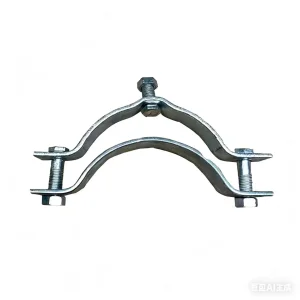
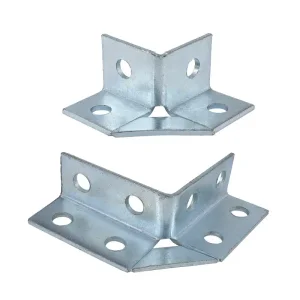
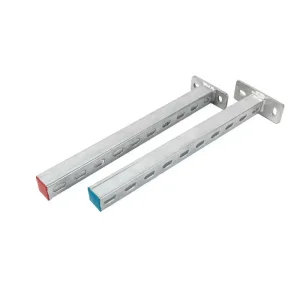
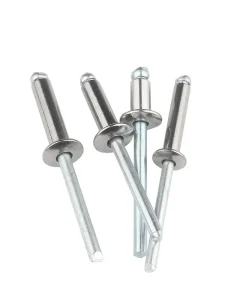
Get in touch with our technical team to discuss material standards, surface treatments, tolerances, and pricing for your eyewear or industrial fastening projects.
Request Technical Consultation