 Ningyuan Fastener
Ningyuan Fastener
Ningyuan Fastener
Explore our premium grade anchor components, structural connectors, and specialized self-drilling hardware designed for global industrial deployment.
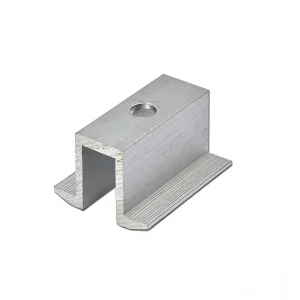
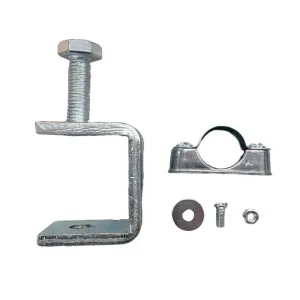
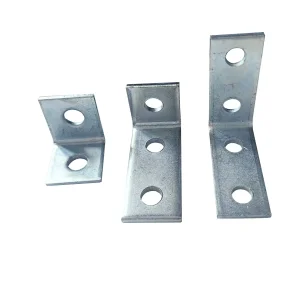
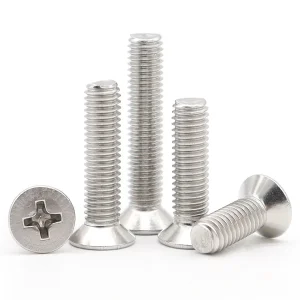
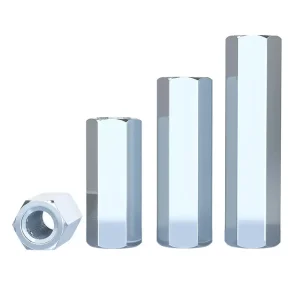
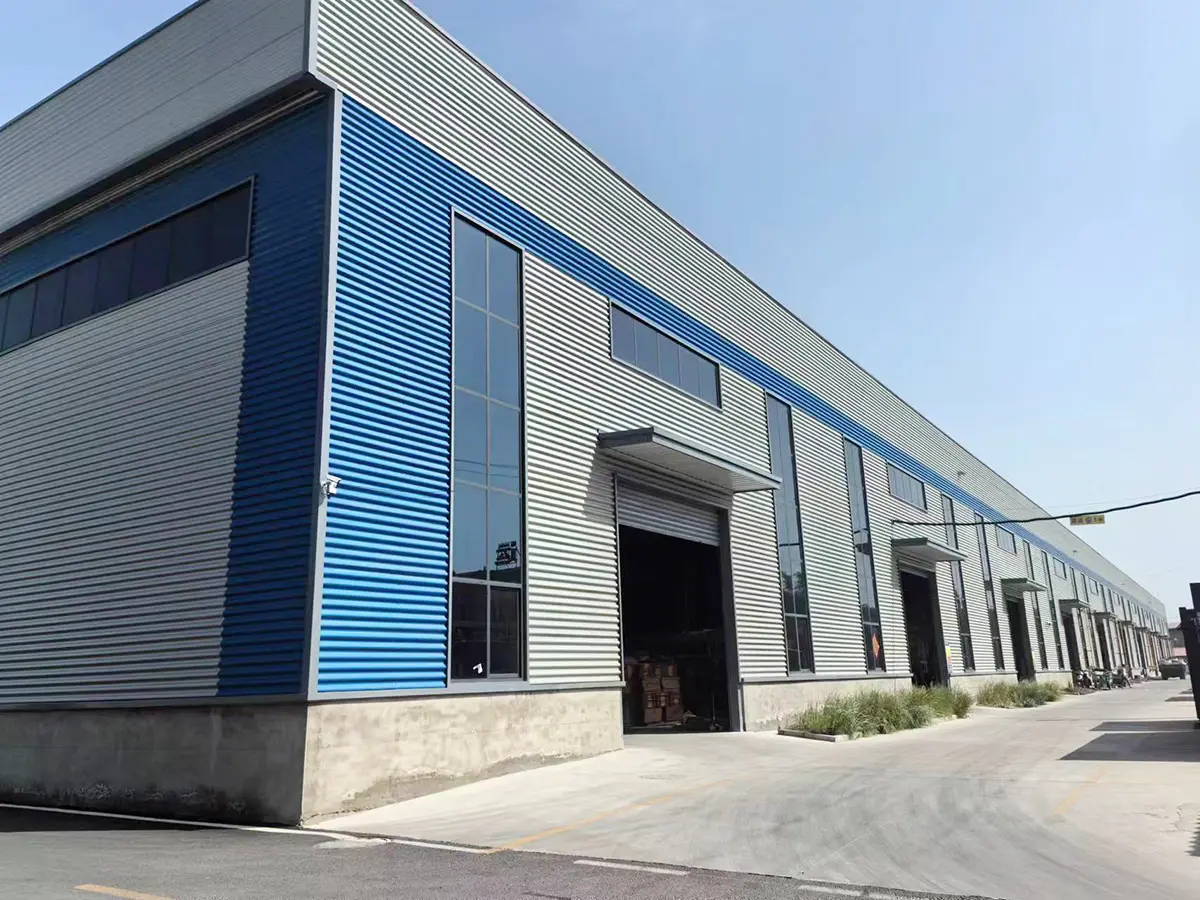
Handan Ningyuan Fastener Manufacturing Co., Ltd. (formerly known as Jin Langtao), was founded in 2005. The factory is strategically positioned in Yongnian District, Handan City, Hebei Province—widely recognized as the "Fastener Capital of China" and the historic home of Taiji.
Over 18 years of growth, Ningyuan has systematically expanded from custom production of high-end industrial fasteners and solar photovoltaic accessories into a modernized, integrated manufacturing hub. We integrate technical Research and Development (R&D), highly automated cold-heading fabrication, surface treatment control, and comprehensive global export operations under one entity.
"Development is our path; precision craftsmanship is our foundation." This core engineering philosophy directs every project, ensuring our structural products achieve zero-defect performance across demanding physical deployments.
Our internal organizational structure aligns specialized R&D divisions with high-output production workshops and international client relations teams. This coordination streamlines high-volume sourcing requirements for utility-scale PV mounting projects, seismic piping restraints, heavy architectural steelworks, and self-drilling fastener lines.
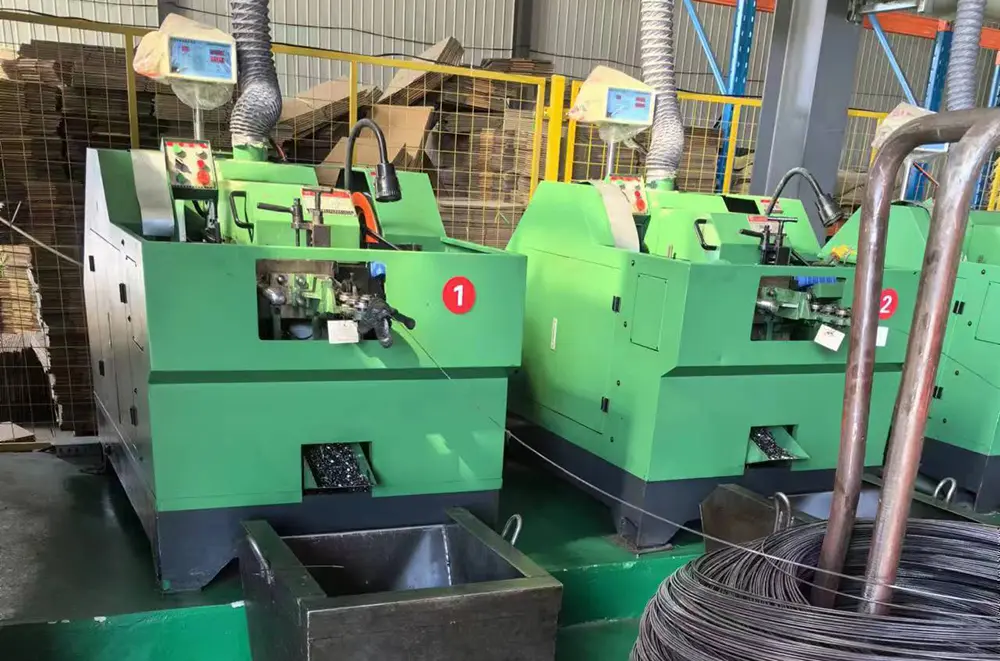
We operate an expansive 20,000-square-meter manufacturing plant housing more than 50 sets of advanced cold forming headers, high-frequency thread rollers, and automated bolt-making machinery. Our technical workforce includes 6 dedicated metallurgical and design engineers overseeing custom OEM runs and precision tolerances.
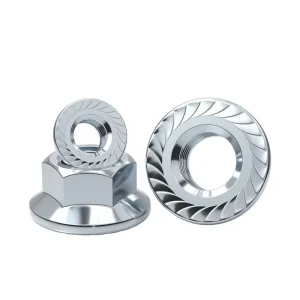
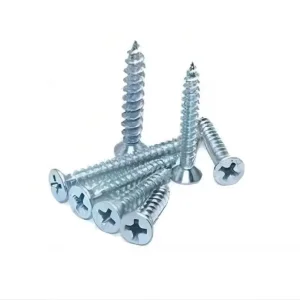
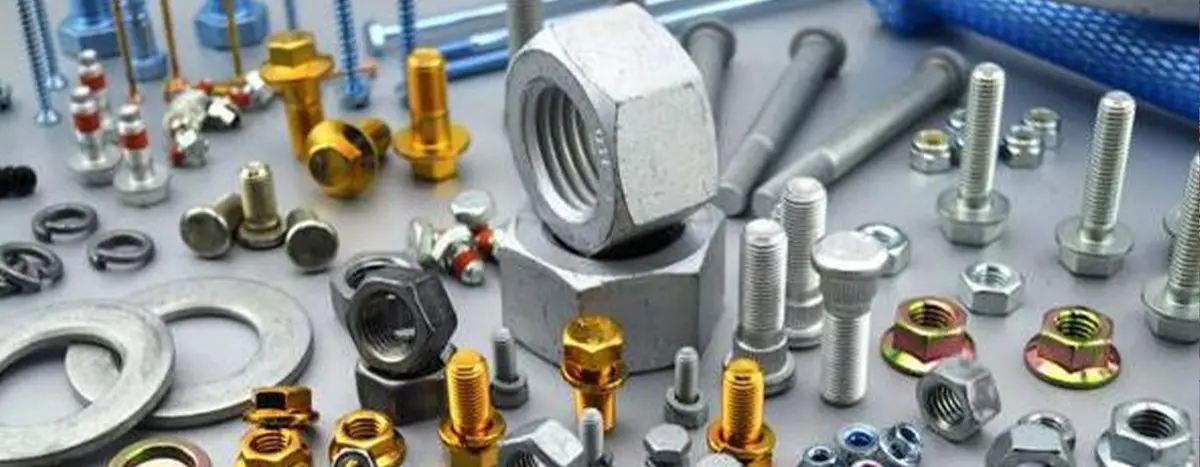
By managing production from raw wire drawing through automated cold heading and rolling processes, we maintain absolute quality oversight. Our manufacturing line outputs standard dry wall screws, heavy hex structure bolts, solar tracking bracket assemblies, and high-performance flat head countersunk fasteners destined for international markets.
A comprehensive examination of structural mechanics, manufacturing metallurgy, and global sourcing requirements for flat-head industrial fasteners.
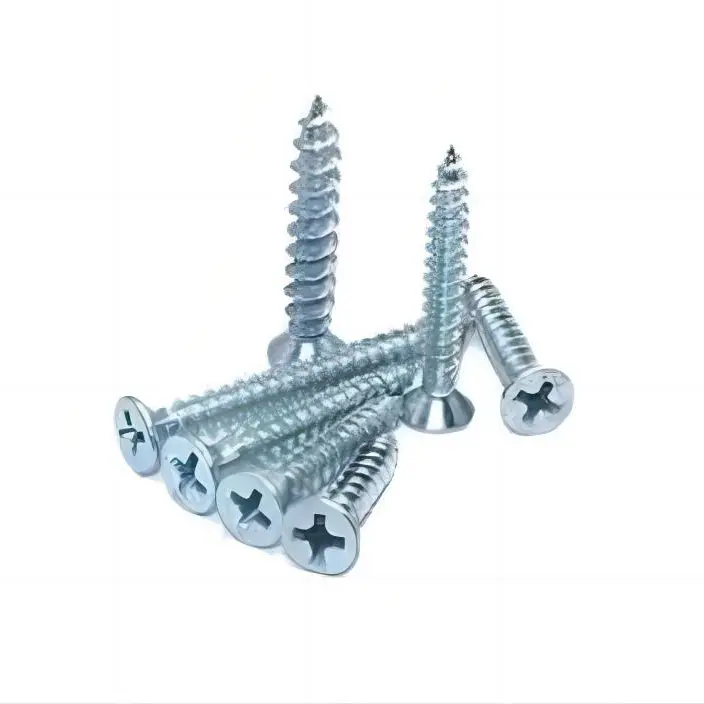
Countersunk head screws (often referred to as flat head screws or CSK fasteners) represent a critical milestone in mechanical engineering. Unlike pan head or hex head screws that protrude above the material plane, countersunk fasteners feature a conical head geometry. This taper is engineered to fit into matching, pre-drilled conical holes (countersinks), allowing the top drive face of the screw to rest perfectly flush with—or slightly below—the surrounding material surface.
This design delivers significant mechanical and aerodynamic benefits:
For industrial procurement departments managing global supply lines, purchasing countersunk head screws involves balancing several key operational constraints. In particular, sourcing structural components from Chinese manufacturers requires close attention to the following engineering and logistics parameters:
Ensuring correct mechanical grades (Class 4.8, 8.8, 10.9, 12.9 for steel, or A2-70 / A4-80 for stainless steel) to prevent failure in high-load and corrosive installations.
Maintaining tight concentricity between the head, shank, and thread axis. Precise drive recesses (Torx, Hexagon Socket, or Phillips) are vital to prevent tool slip during high-torque assembly.
High-tensile fasteners (Class 10.9 and higher) must undergo rigorous post-electroplating baking processes to eliminate hydrogen, preventing sudden delayed brittle failures under stress.
Modern fastener designs are increasingly shaped by the growth of utility-scale renewable energy infrastructure. Solar photovoltaic tracking systems, designed to follow the sun's path, represent a challenging environment for mechanical fasteners:
Providing custom, high-strength structural fasteners to complex engineering fields worldwide.
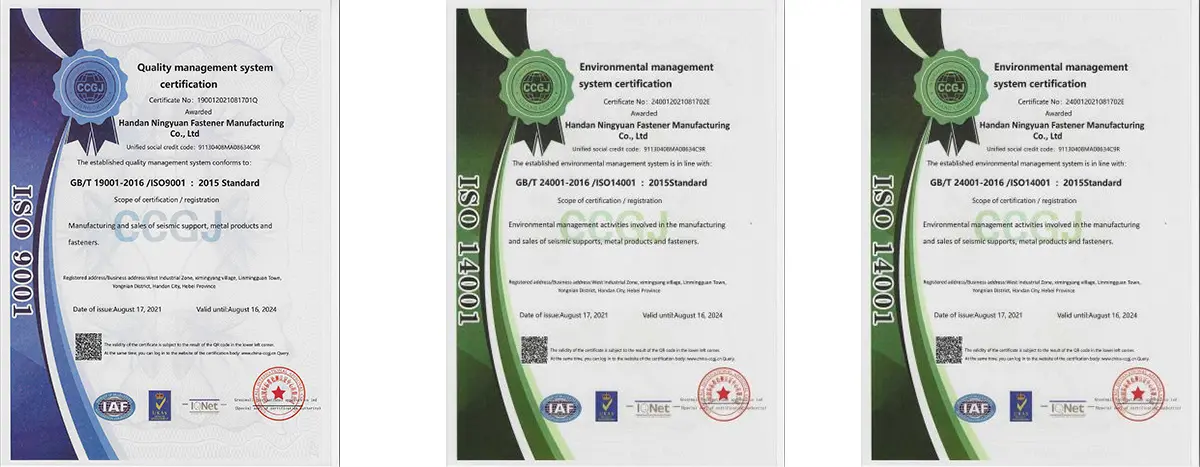
To maintain reliable performance in demanding industries like automotive, defense, and power generation, Ningyuan implements a multi-tier Quality Assurance framework.
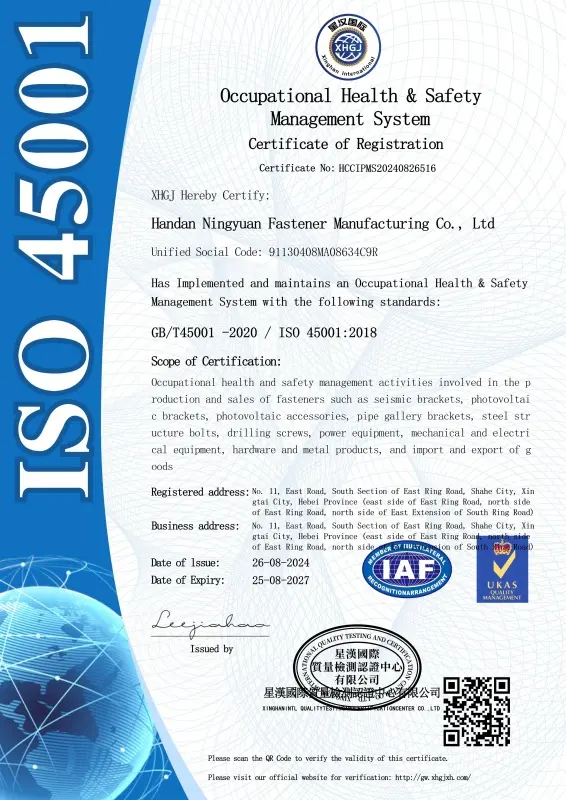
Our production line and testing laboratories operate in compliance with the following international frameworks:
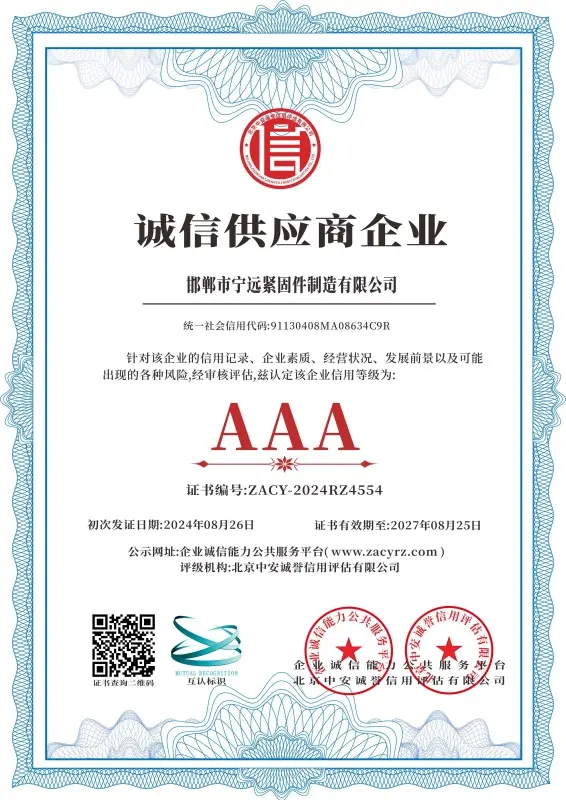
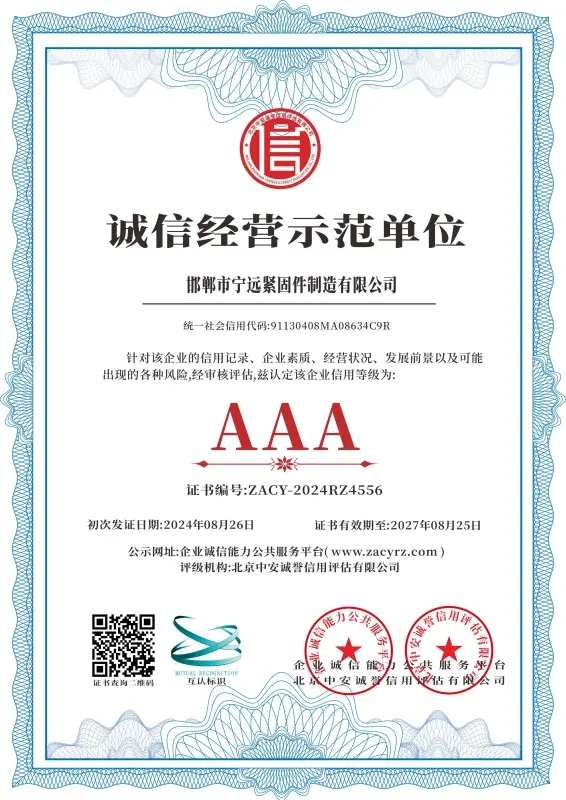
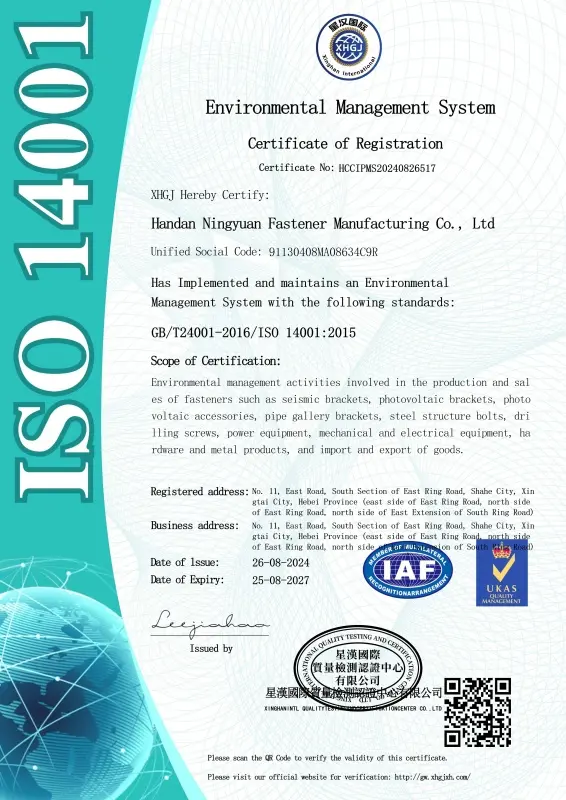
A closer look at our high-demand specialty fast-fastening systems and self-drilling assemblies.
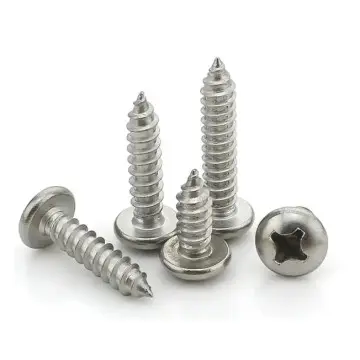

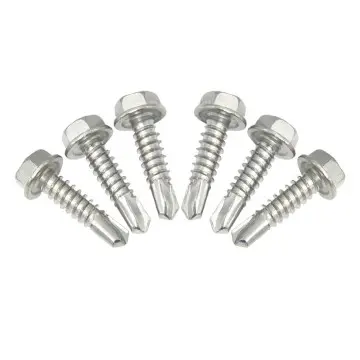
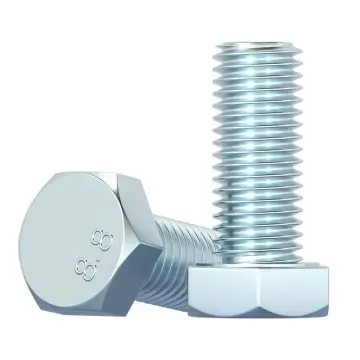
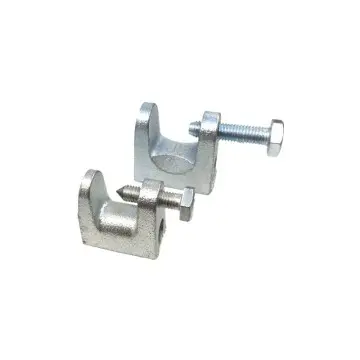
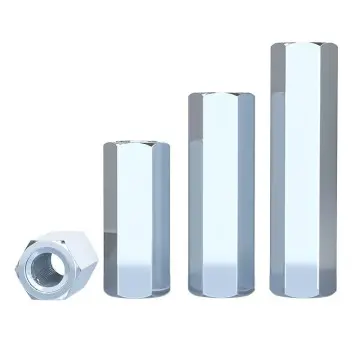
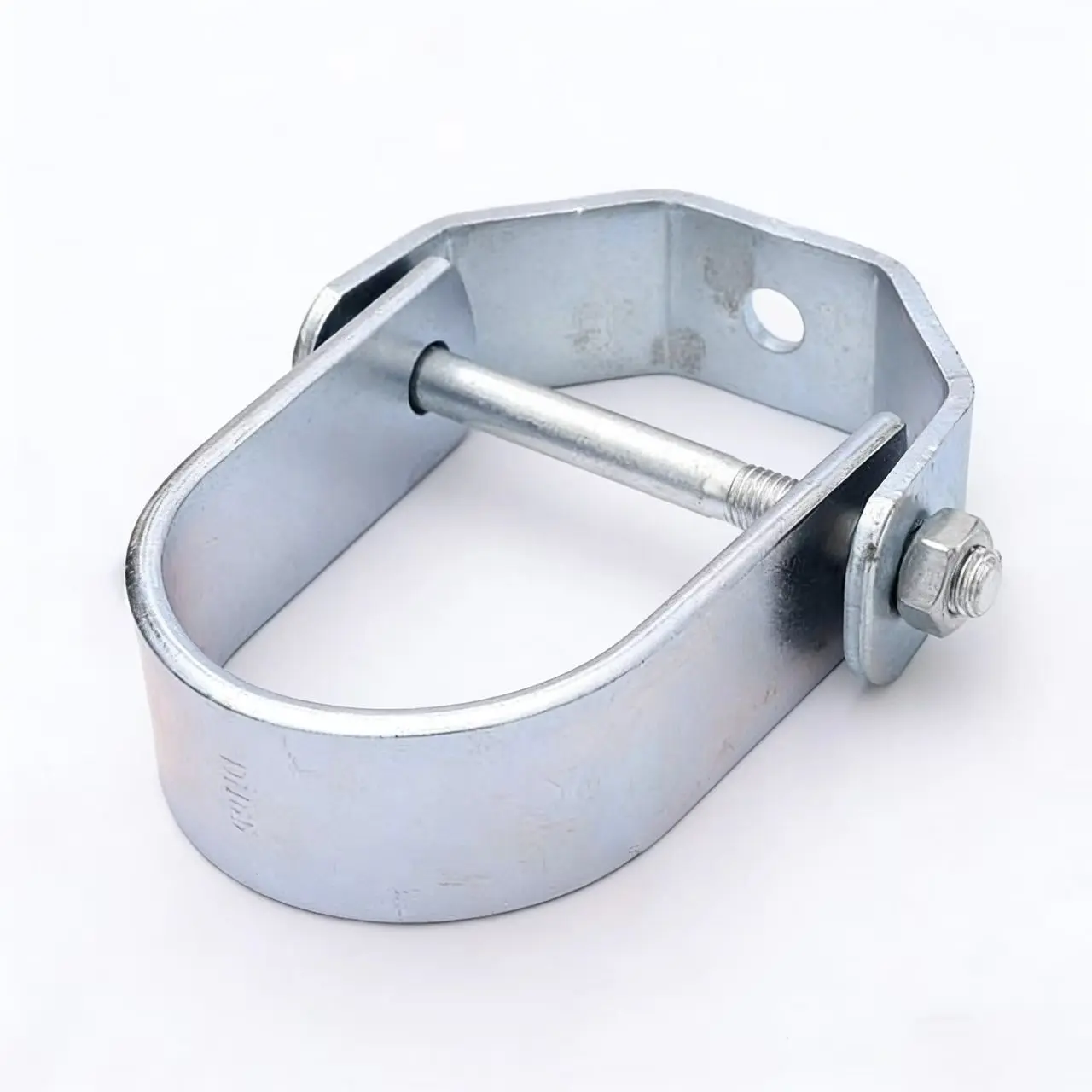
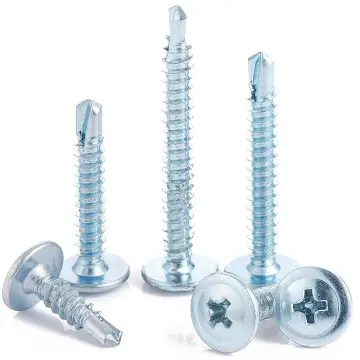
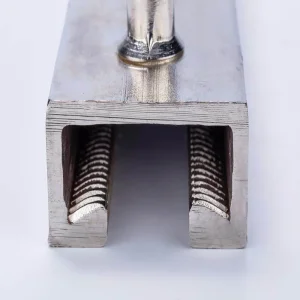
Specialized profile designed for architectural panel sheet metal joining.
Adapting manufacturing technologies to meet the demands of tomorrow's industrial applications.
To support global environmental targets, we are expanding our production of hexavalent chromium-free surface finishes. Our research is focused on dry lubricants and thin-film zinc-flake systems that achieve high corrosion resistance without generating toxic wastewater during processing.
Ningyuan is investing in automated visual inspection stations. Using multi-angle optical sorting, we can check dimensions and thread profiles in real time. This automated inspection targets zero-defect delivery for critical components in high-volume, automated assembly environments.
As aerospace, defense, and automotive sectors transition toward lightweight carbon composites and advanced alloys, the demands on countersunk screws continue to evolve. Fasteners must now withstand high clamping tensions in softer, thinner materials without causing structural cracking.
Ningyuan is responding to these demands by refining cold-forming processes for titanium alloys and specialized stainless steels. These materials prevent galvanic corrosion when used in carbon-fiber structures, ensuring long-term reliability in high-tech industrial assemblies.
Expert answers to common engineering and procurement questions regarding countersunk head screws.
The head angle is determined by the standard framework used. Metric fasteners (such as ISO 10642 or DIN 7991) standardly feature a 90-degree under-head taper. Imperial fasteners (such as those under ANSI/ASME standards) typically specify an 82-degree angle, though 100-degree options are common in aerospace panels to distribute forces over thin sheets. Matching the screw angle to the pre-drilled countersunk seat is essential to prevent head protrusion and localized stress points.
For fasteners rated Class 10.9 or higher that undergo acid pickling and electro-galvanization, hydrogen atoms can diffuse into the steel structure, leading to brittle failures under load. Ningyuan prevents this by performing post-plating baking processes (typically at 200°C for 4 to 8 hours) immediately after electro-plating, driving out trapped hydrogen and securing the structural strength of the metal.
Outdoor solar tracker systems and marine installations face severe environmental exposure. Standard electro-galvanizing only provides basic protection. For these environments, we recommend Hot-Dip Galvanization (HDG), which provides a thick, protective zinc-iron alloy layer. Alternatively, specialized zinc-nickel alloy coatings or Dacromet/Geomet finishes can withstand over 1,000 hours of salt spray exposure without rusting.
Yes. Our technical team works from client CAD files, 3D designs, or physical samples. We provide design review and raw sample validation for custom sizes, thread pitches, drive geometries, and specialty alloy specifications, helping customers verify performance before launching volume production.
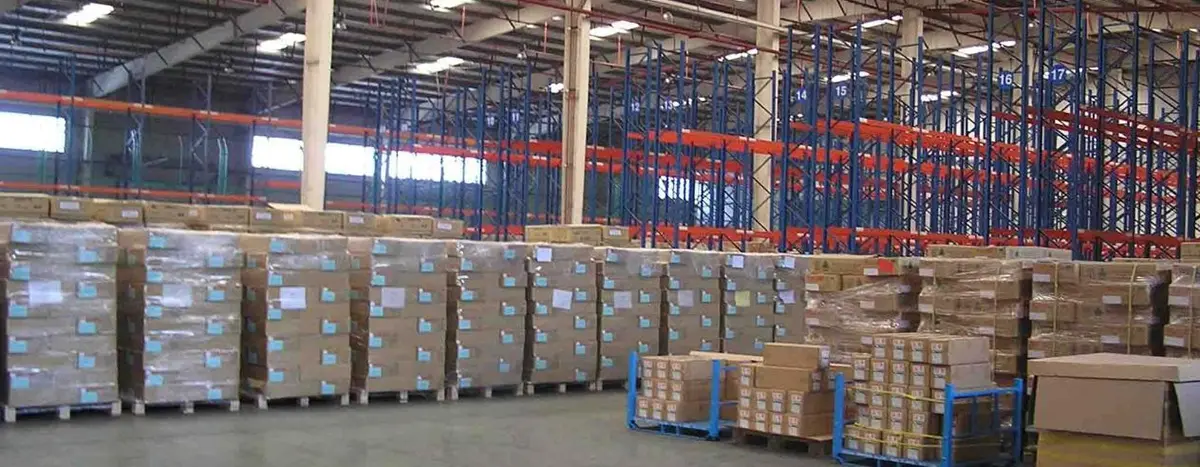
Handan Ningyuan Fastener Manufacturing Co., Ltd. coordinates international logistics from our central production hub in Yongnian District, Handan City. We work with freight forwarders to manage customs clearances, shipping documentation, and port transfers, ensuring timely delivery to warehousing locations worldwide.
We provide free sample evaluations for standard items, helping customers confirm thread tolerances and mechanical properties prior to bulk shipping.
Contact our sales engineers for dimensional estimates, bulk pricing lists, or technical compliance evaluations.
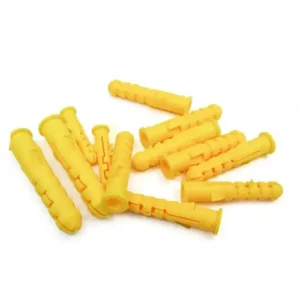
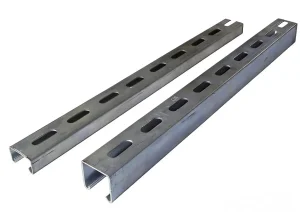
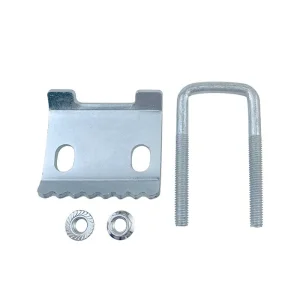
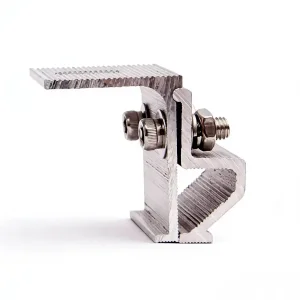
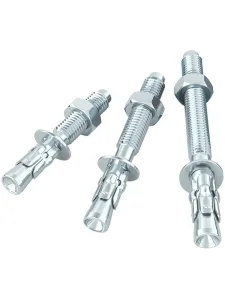
Our extended line of anchoring brackets, structural sleeve inserts, and custom industrial mounting solutions.