Ningyuan Fastener Ningyuan Fastener

China C-shaped steel Factories, Company

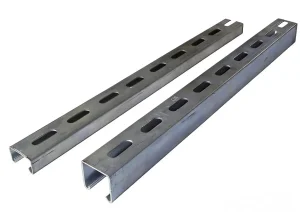
Here we introduce C-shaped steel, which consists of a web plate, upper and lower flanges, and rolled edges; Curling edge is the core design, greatly improving bending and torsion resistance, and avoiding flange buckling; Hot dip galvanizing/zinc aluminum magnesium anti-corrosion is commonly used outdoors, and black material can be used indoors. Follow the GB/T 6725 cold-formed steel standard.
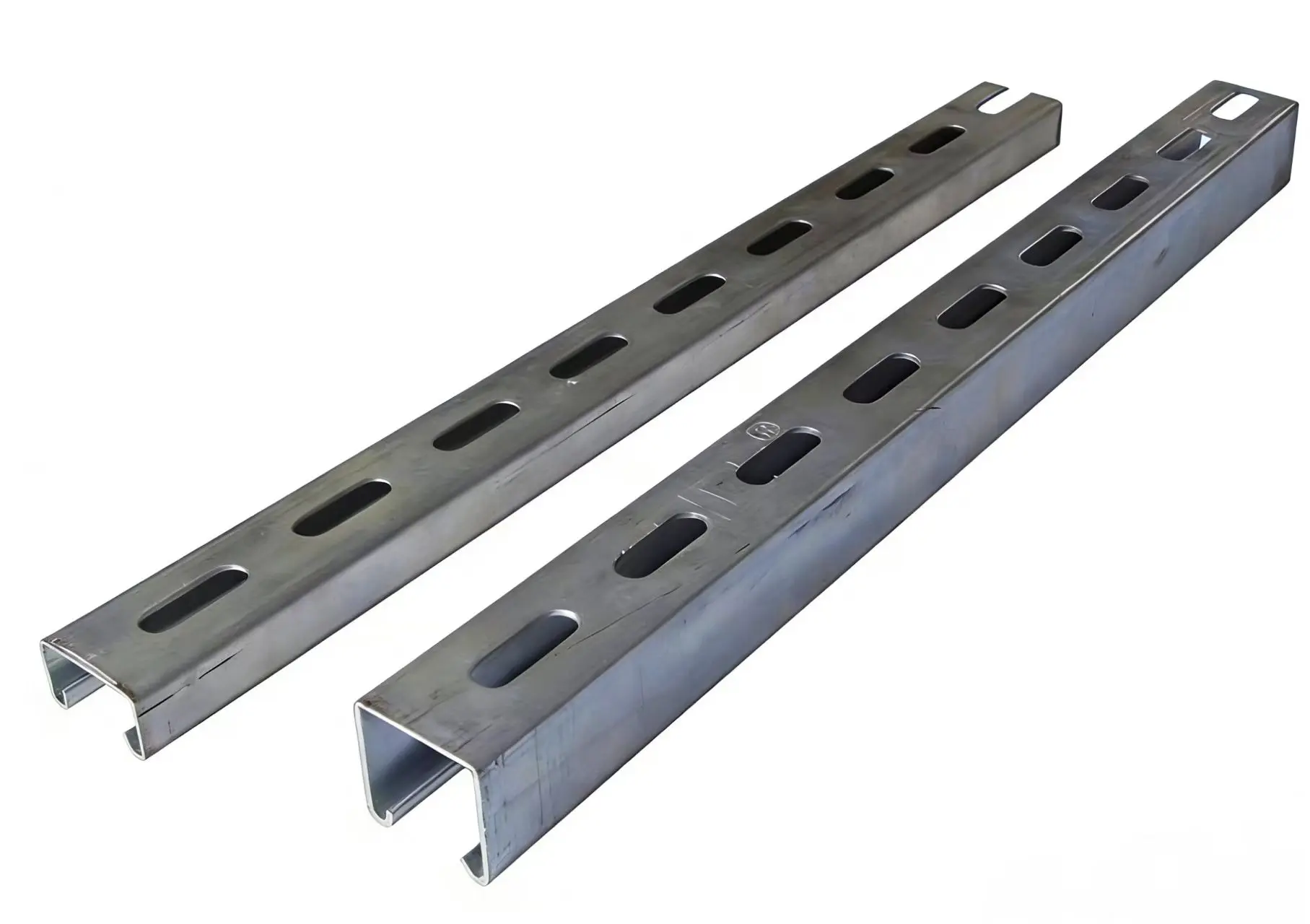

Product Description

Core Applications and Industries
Photovoltaic bracket
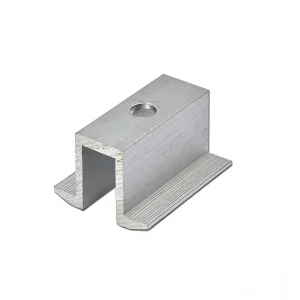
Used as a guide rail (purlin) support component, matched with medium pressure block/edge pressure block; Ground power station main/secondary beams, flat roof/color steel tile roof distributed.
Steel structure buildings
Roofs and wall purlins of factories/warehouses, supporting color steel plates.
Aluminum alloy guide rail
6063-T5, lightweight and rust resistant; Suitable for load sensitive color steel tile roof, higher price.
Advantages and Differences
Advantages
Lightweight and high-strength, standardized production, length adjustable, anti-corrosion optional hot-dip galvanizing/zinc aluminum magnesium, suitable for harsh outdoor environments such as coastal and desert areas, lower cost than aluminum alloy brackets, suitable for large-scale ground/roof photovoltaic projects.
Difference: C-shaped steel
Cold-formed, with rolled edges, high precision, suitable for light to medium load-bearing; Mostly used in the 41/60/80 series for photovoltaics.
Difference: Hot rolled channel steel
Formed by hot rolling, without rolled edges, uneven wall thickness, and heavy weight; Mostly used for heavy-duty structural beams and columns.
Frequently Asked Questions
What are the primary applications of PV brackets?
Photovoltaic brackets are mainly used as guide rail (purlin) support components, combined with medium or edge pressure blocks. They are widely applied in ground power station main/secondary beams, flat roofs, and distributed color steel tile roofs.
What are the key advantages of using steel brackets?
Steel brackets offer standard production, adjustable lengths, and high strength. They can be treated with anti-corrosion options like hot-dip galvanizing or zinc-aluminum-magnesium, making them highly suitable for harsh environments and more cost-effective than aluminum.
How does C-shaped steel differ from hot rolled channel steel?
C-shaped steel is cold-formed, highly precise, and has rolled edges suitable for light to medium load-bearing. Hot rolled channel steel is formed by hot rolling, has no rolled edges, is heavier, and is typically used for heavy-duty structural support.
When should aluminum alloy guide rails be chosen?
Aluminum alloy guide rails (6063-T5) are recommended for load-sensitive locations, such as color steel tile roofs, due to their lightweight and rust-resistant properties, although they have a higher price point.
Can these bracket materials withstand coastal or desert environments?
Yes, with the optional anti-corrosion treatments (hot-dip galvanizing or zinc-aluminum-magnesium), these brackets are highly durable and designed to endure harsh outdoor conditions like coastal humidity and desert climates.

Related Products