1 / 3
 Ningyuan Fastener
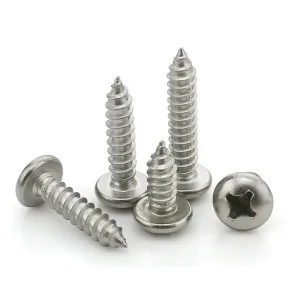
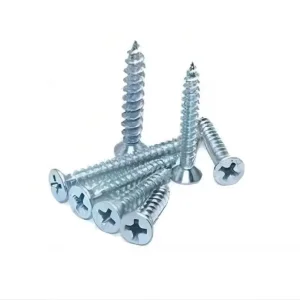
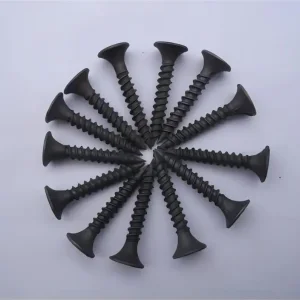
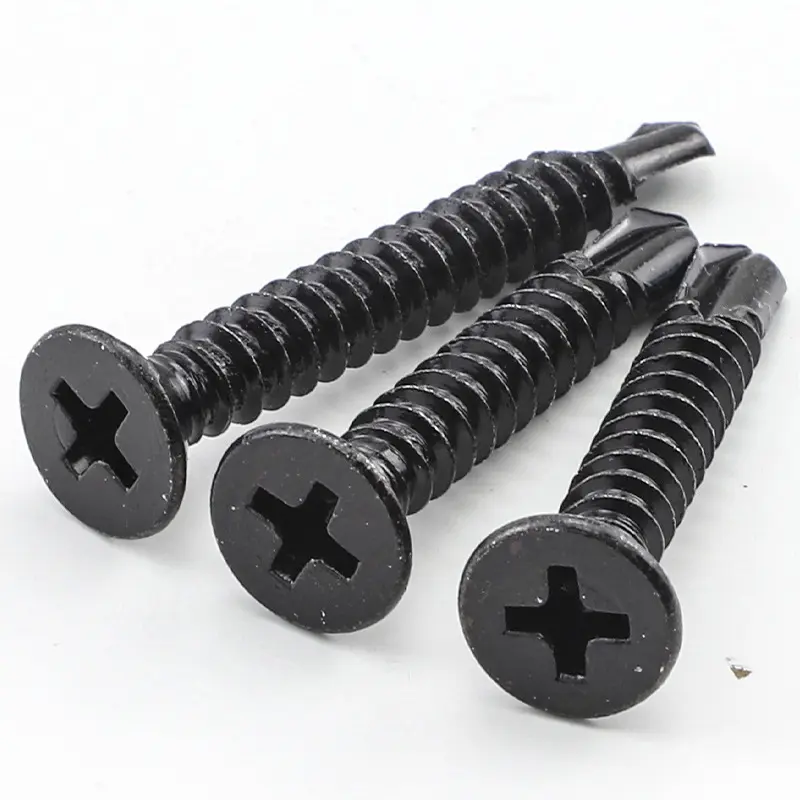
The working principle of countersunk self tapping screws is very simple. When it is inserted into the surface of the material, its built-in spiral groove will directly cut the material into appropriately sized holes. As the screw rotates, the toothed structure of its head will wrap around the material, allowing the screw to stay in place.
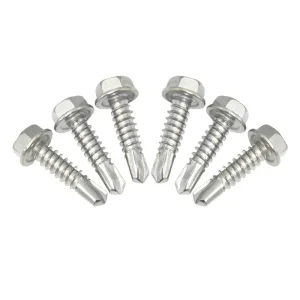
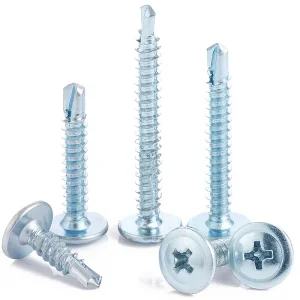
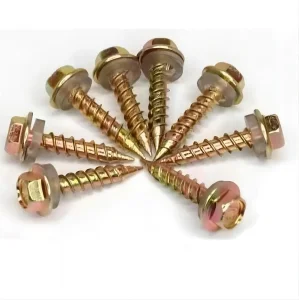
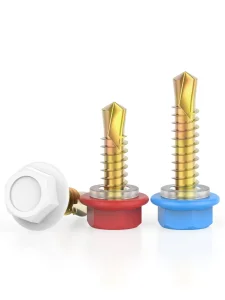
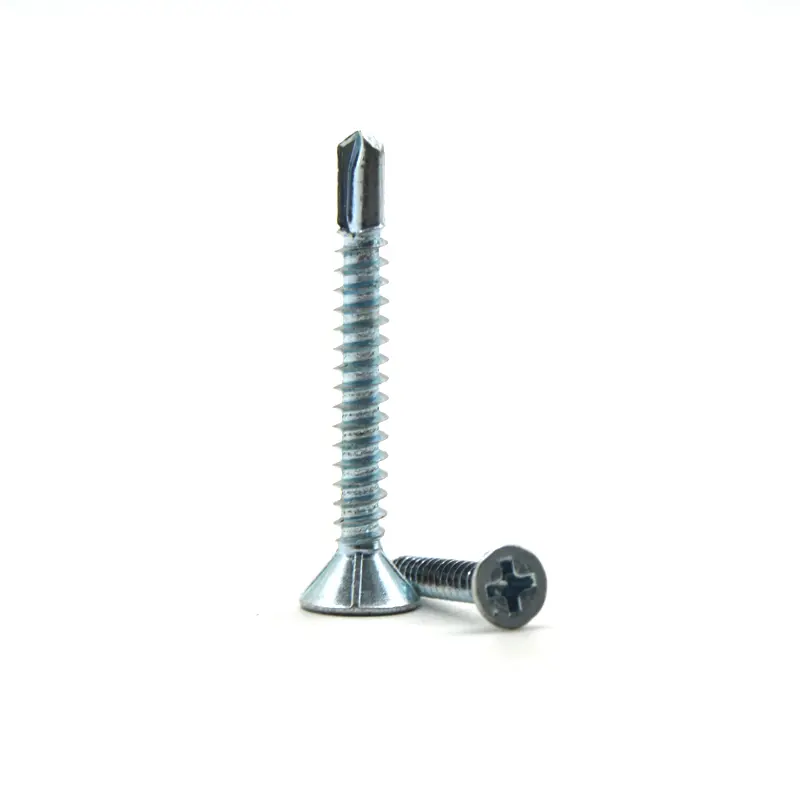
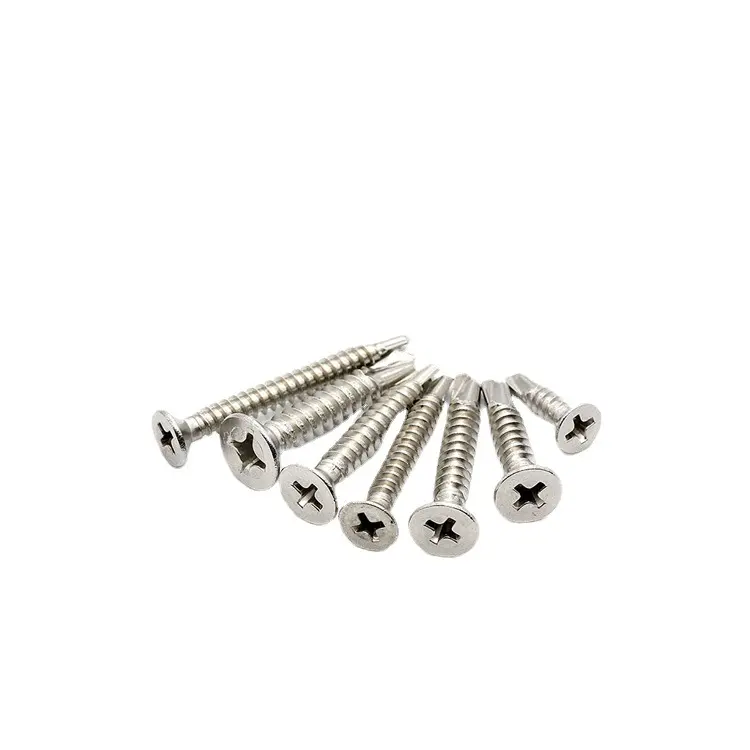
This type of screw has a drilled or pointed tail shape at the end, without the need for auxiliary processing. During assembly, the screw can drill a central hole on its own, and then use adjacent threaded parts to self tap and extrude the matching thread in the hole on the carrier. Therefore, it is called a self drilling self tapping screw. It is mainly used for fixing colored steel tiles in steel structures and can also be used for fixing thin sheet materials in simple buildings, but cannot be used for bonding and fixing metal to metal.
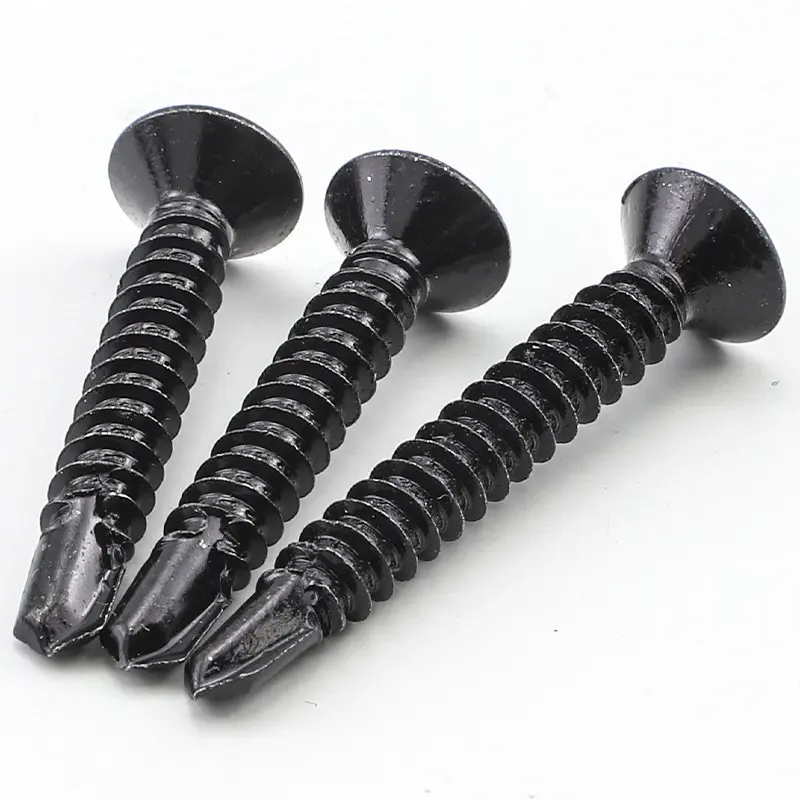
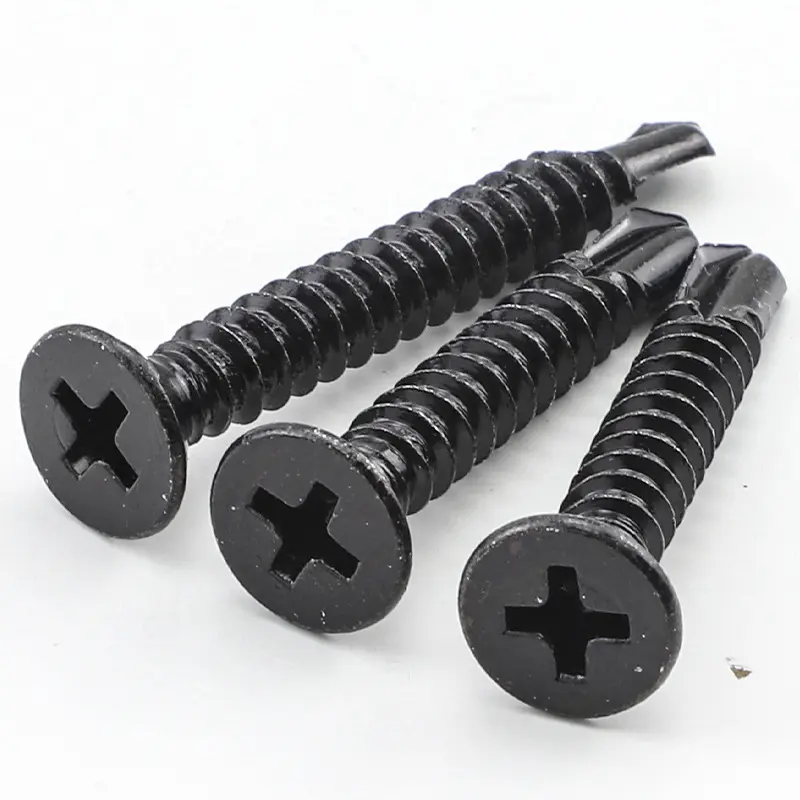
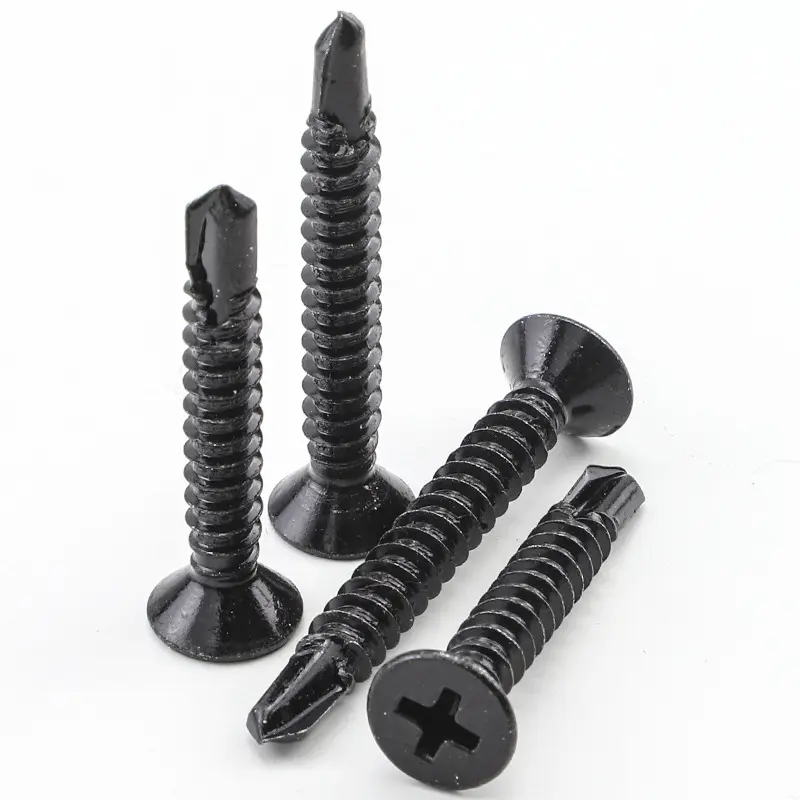
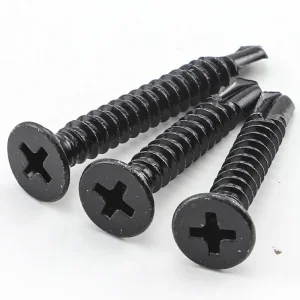
Countersunk self tapping screws refer to self tapping screws that, after tightening, have a head that is not higher than the flat surface being driven in, and can maintain a flat and beautiful surface. This type of screw has different grooves such as a straight groove, a cross groove, and a plum blossom groove, and the grooves should extend to the center of the screw to effectively prevent chips from blocking the groove. The difference between countersunk self tapping screws and flat head self tapping screws lies in the following aspects:
The hat of a countersunk self tapping screw has one side flat, while the other side has a taper; The hat with a flat head self tapping screw is flat;
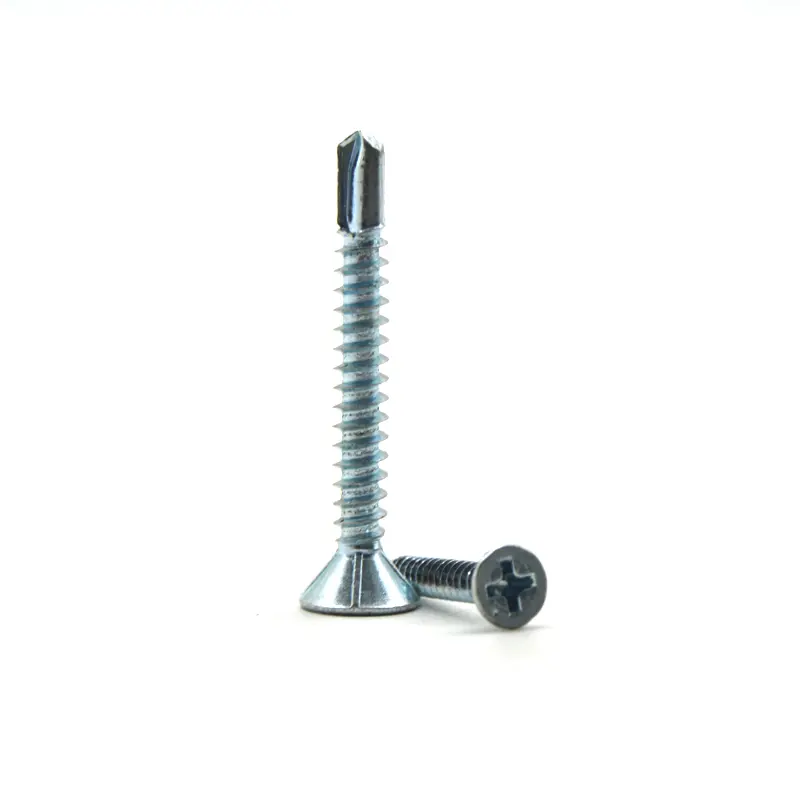
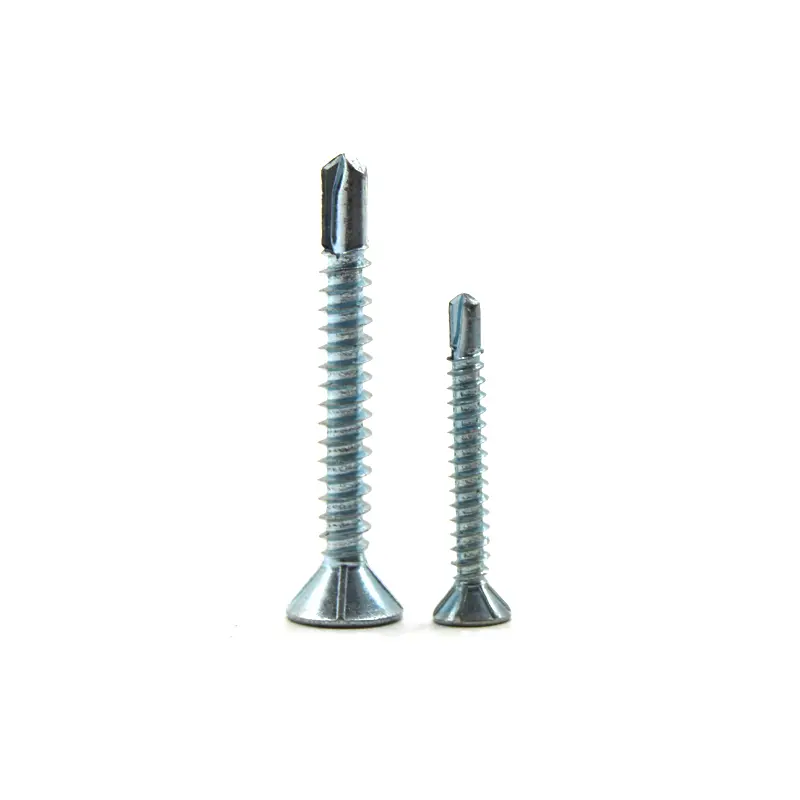
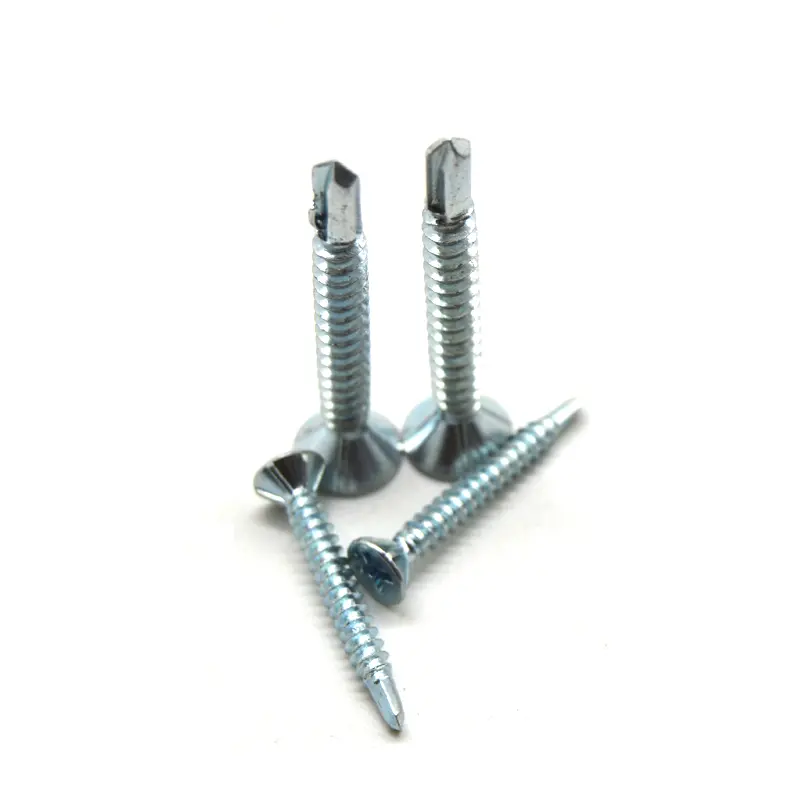
The contact surface between the countersunk self tapping screw and the work piece is a conical surface, while the flat headed self tapping screw is indeed a flat surface;
Countersunk self tapping screws can only be used in conjunction with washers with a certain degree of taper, while platform self tapping screws can be used in conjunction.
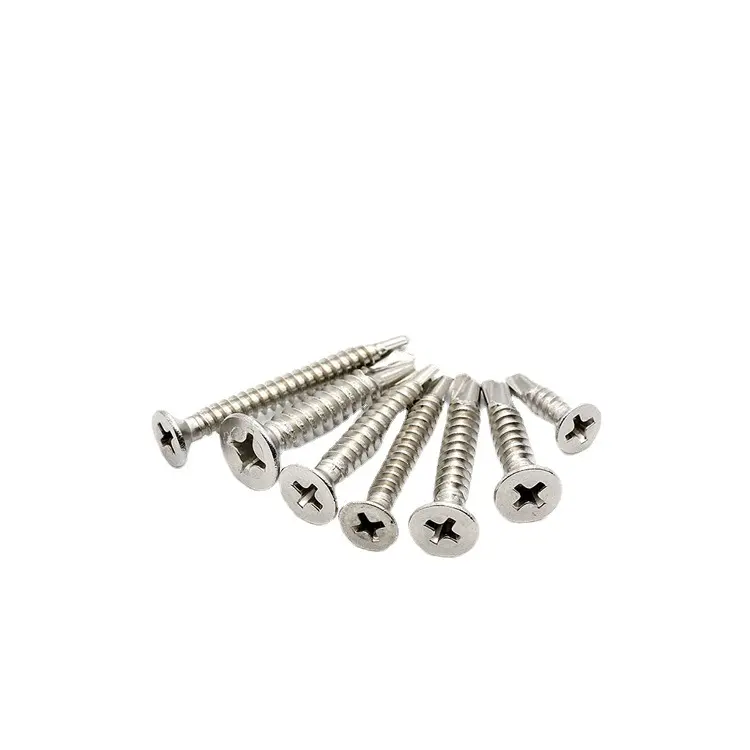
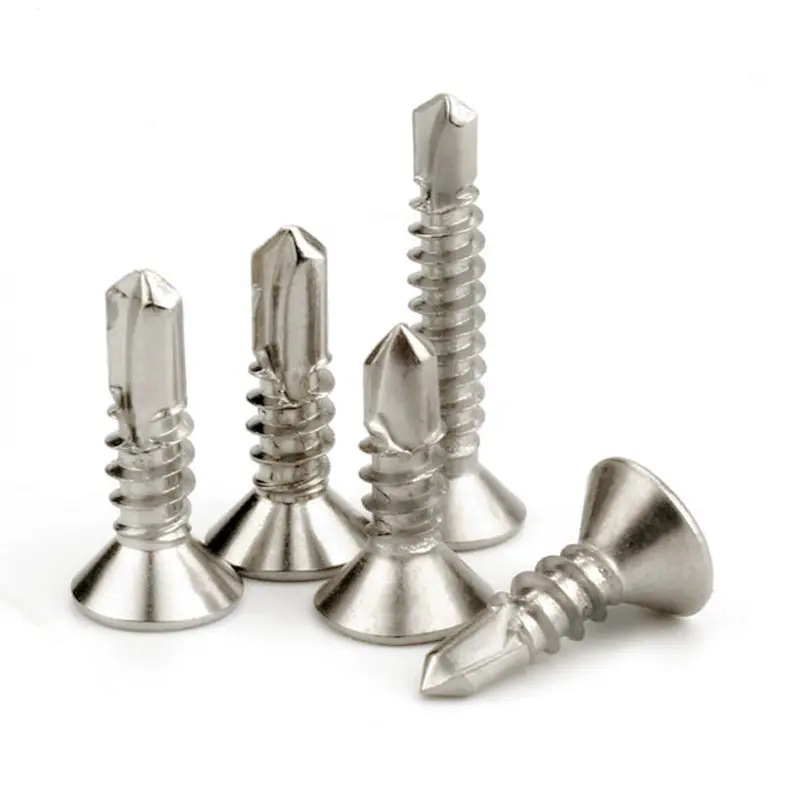
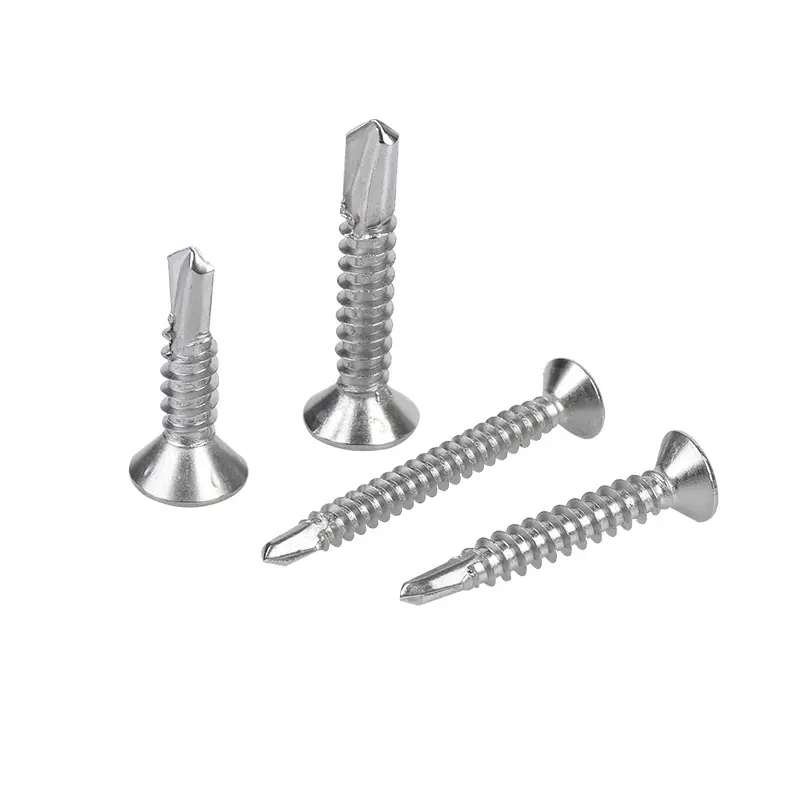
When driven into a material, the built-in spiral groove cuts a matching hole. As the screw rotates, the toothed structure of its head wraps around the material, securing it tightly in place.
They combine drilling, tapping, and locking into a single operation, which significantly improves construction efficiency, saves time, and provides high stability with a strong binding force.
They are primarily used to fix colored steel tiles in steel structures and thin sheet materials in simple building structures. However, they should not be used for bonding metal to metal.
Countersunk screws feature a head with one flat side and one tapered side to ensure they sit flush with the material surface. In contrast, flat head self-tapping screws have a completely flat head.
No, countersunk self-tapping screws must be used with washers that have a specific degree of taper to match their conical contact surface, whereas standard flat head screws can use standard flat washers.