1 / 1
 Ningyuan Fastener
Truss screws can be basically divided into two types: cutting truss screws and forging truss screws. Cutting truss screws is achieved by cutting raw materials into fixed shapes and then machining them. Therefore, their external shape is regular. The forged truss screws are forged by heating the metal and using a forging machine. This means that the shape of the forged truss screws may be more complex.
Truss screws are usually made of high-strength alloy steel, stainless steel, titanium alloy and other materials to ensure that they can withstand high loads and will not have corrosion or other problems during long-term use.
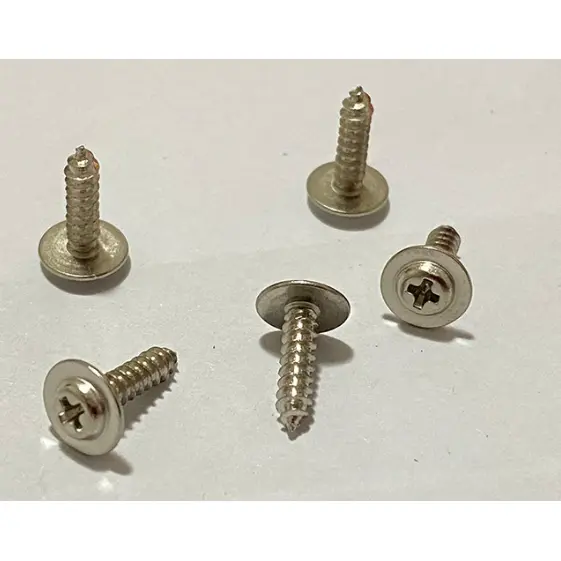
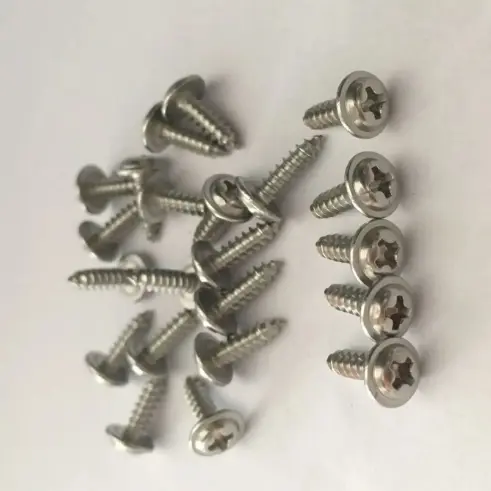
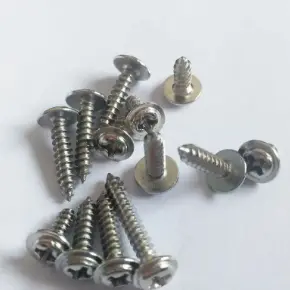
Truss screws are indispensable connectors in truss structure design. They have the following functions:
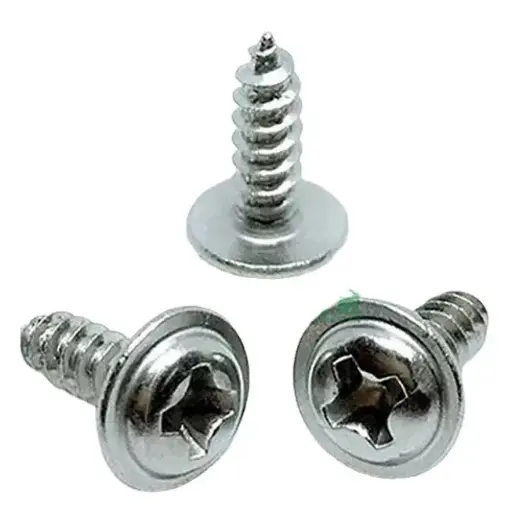
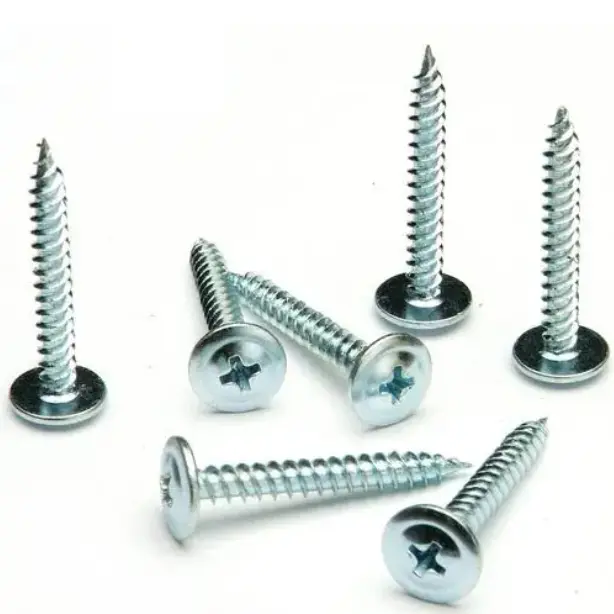
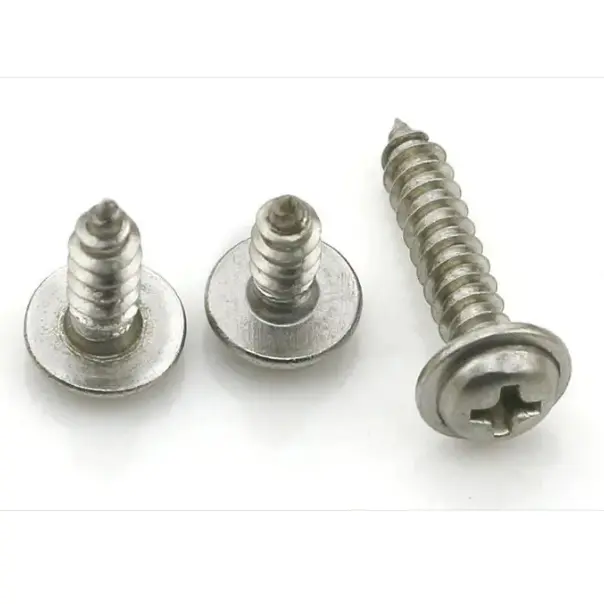
The key factors in selecting suitable truss screws are load, stress, and environment. The greater the clamping force, the larger the screw size needs to be selected to meet the requirements under high load conditions. In marine, corrosive, and other harsh environments, it is necessary to choose high-strength materials such as stainless steel or titanium alloys that meet the requirements.
Truss screws are a widely used connector that plays an irreplaceable and important role. This article introduces the definition, classification, material, function, and other aspects of truss screws, hoping to help readers understand and master the basic knowledge of truss screws, so as to play the maximum role in practical applications.
Cutting truss screws are manufactured by cutting raw materials into fixed shapes and then machining them, resulting in regular shapes. Forging truss screws are heated and formed using a forging machine, which allows for more complex structural designs.
Truss screws are usually made from high-strength alloy steel, stainless steel, or titanium alloys to ensure durability and prevent corrosion during long-term structural applications.
Truss screws serve three key functions: connecting various components of the truss structure, enhancing the overall stability and robustness, and providing highly reliable connections in engineering applications.
The size of the screw depends on the required clamping force. For high-load and high-stress conditions, a larger screw size must be selected to handle the physical demands safely.
For harsh, wet, or marine environments, high-strength materials like stainless steel or titanium alloys are highly recommended due to their excellent corrosion resistance.